Family name: Restionaceae R. Brown
Synonym(s): Anarthriaceae D. F. Cutler & Airy Shaw; Centrolepidaceae Endl., nom. cons.; Devauxiaceae Dumort., nom. illeg.; Hopkinsiaceae B. G. Briggs & L. A. S. Johnson; Lyginiaceae B. G. Briggs & L. A. S. Johnson
Common name(s): restio family
*Number of genera/species: 51/572
List of genera record in GRIN-Global
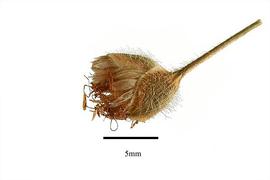
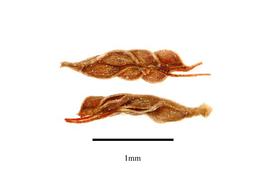
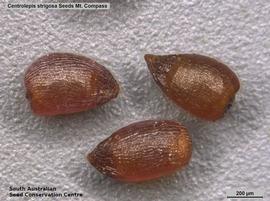
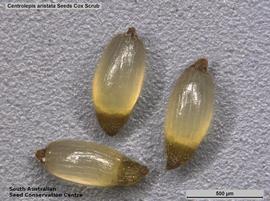
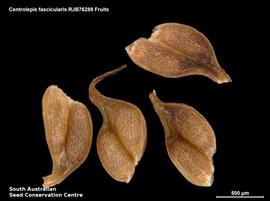
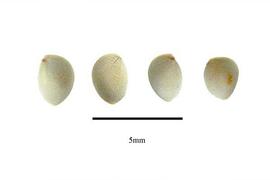
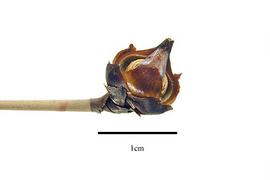
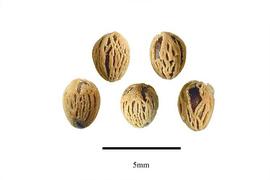
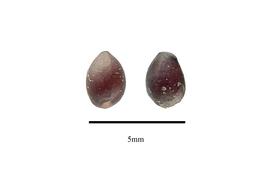
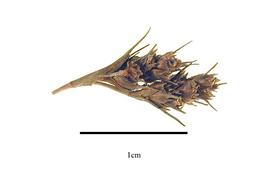
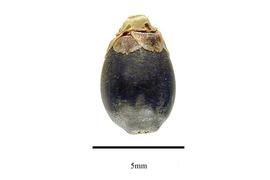
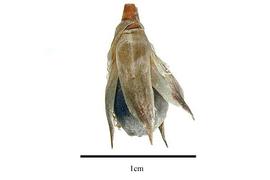
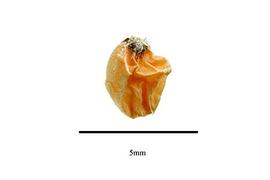
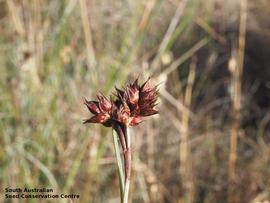
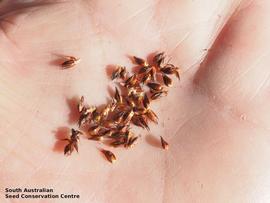
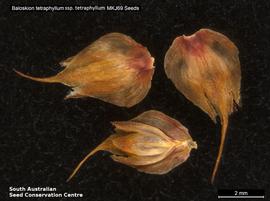
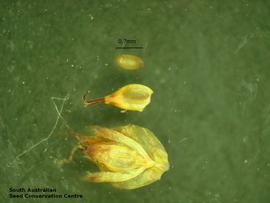
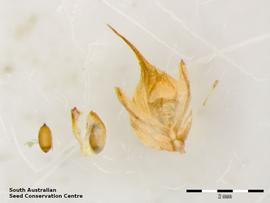
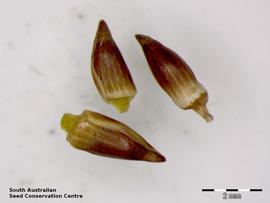
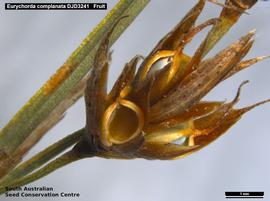
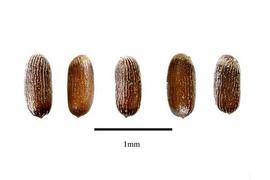
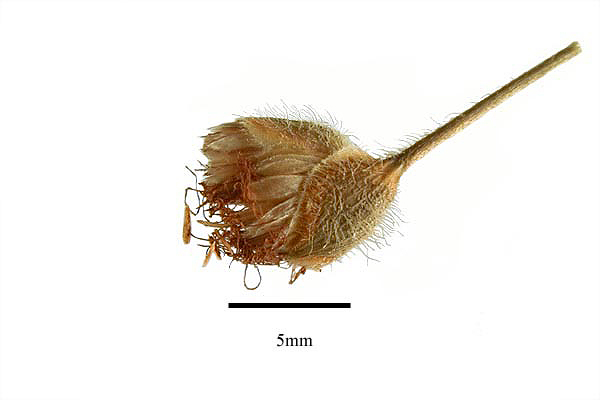
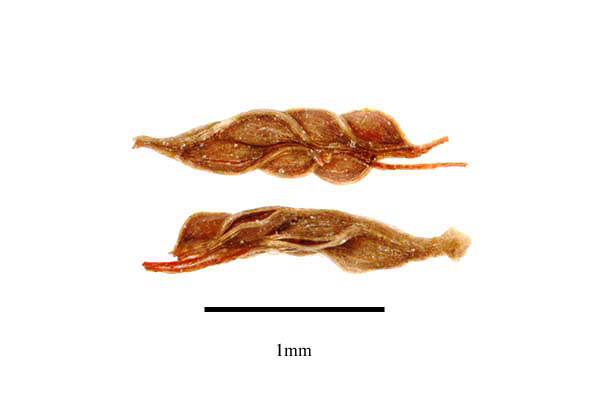
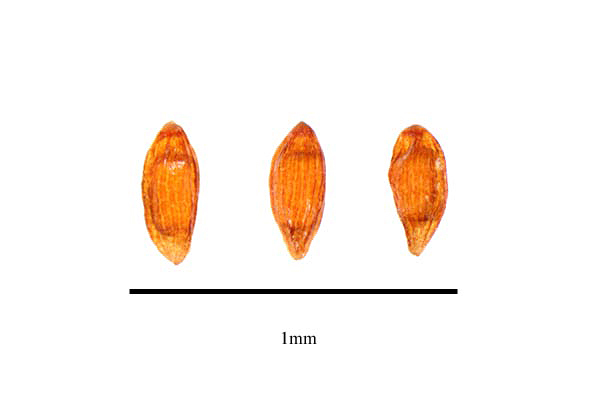
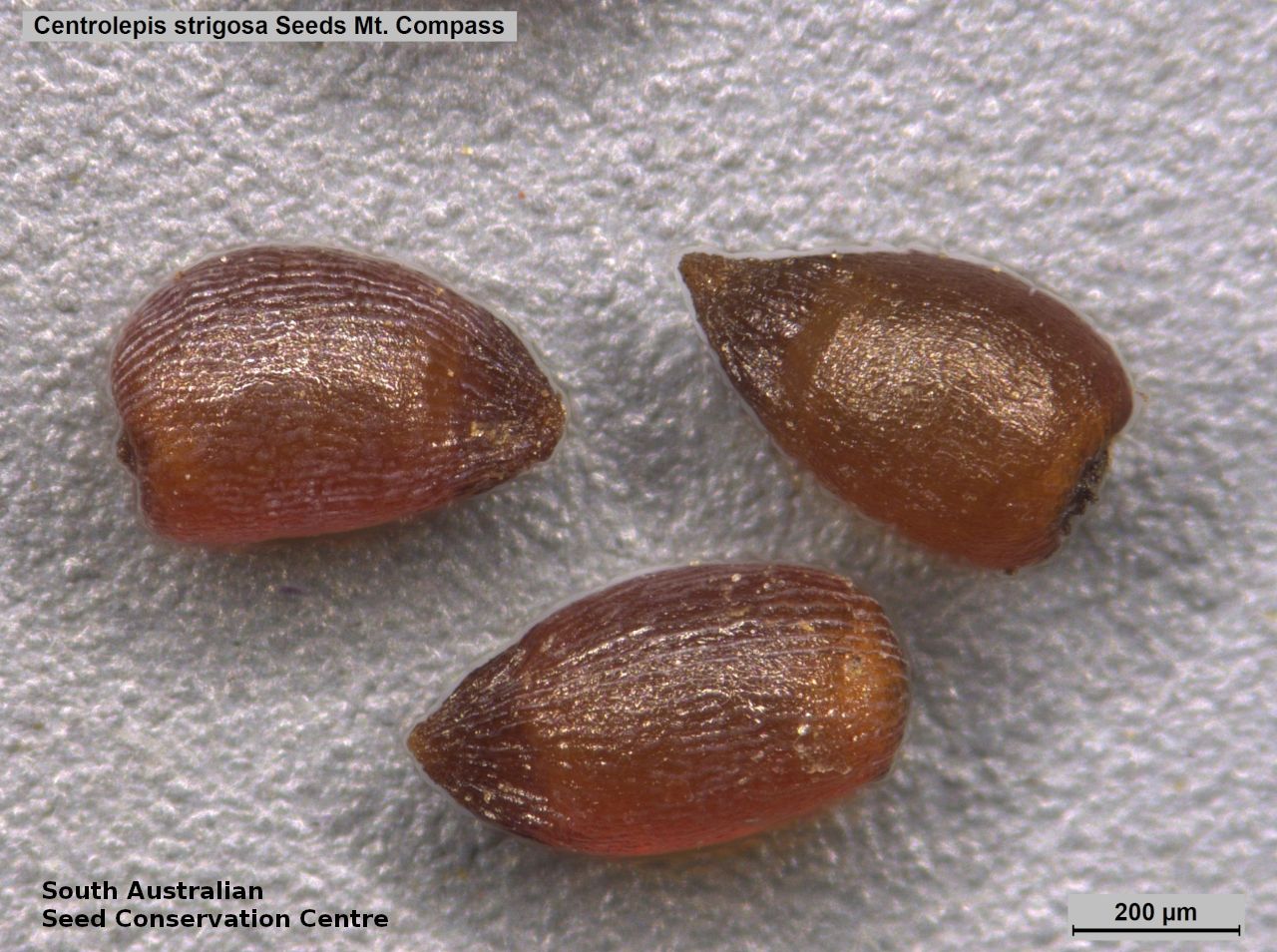
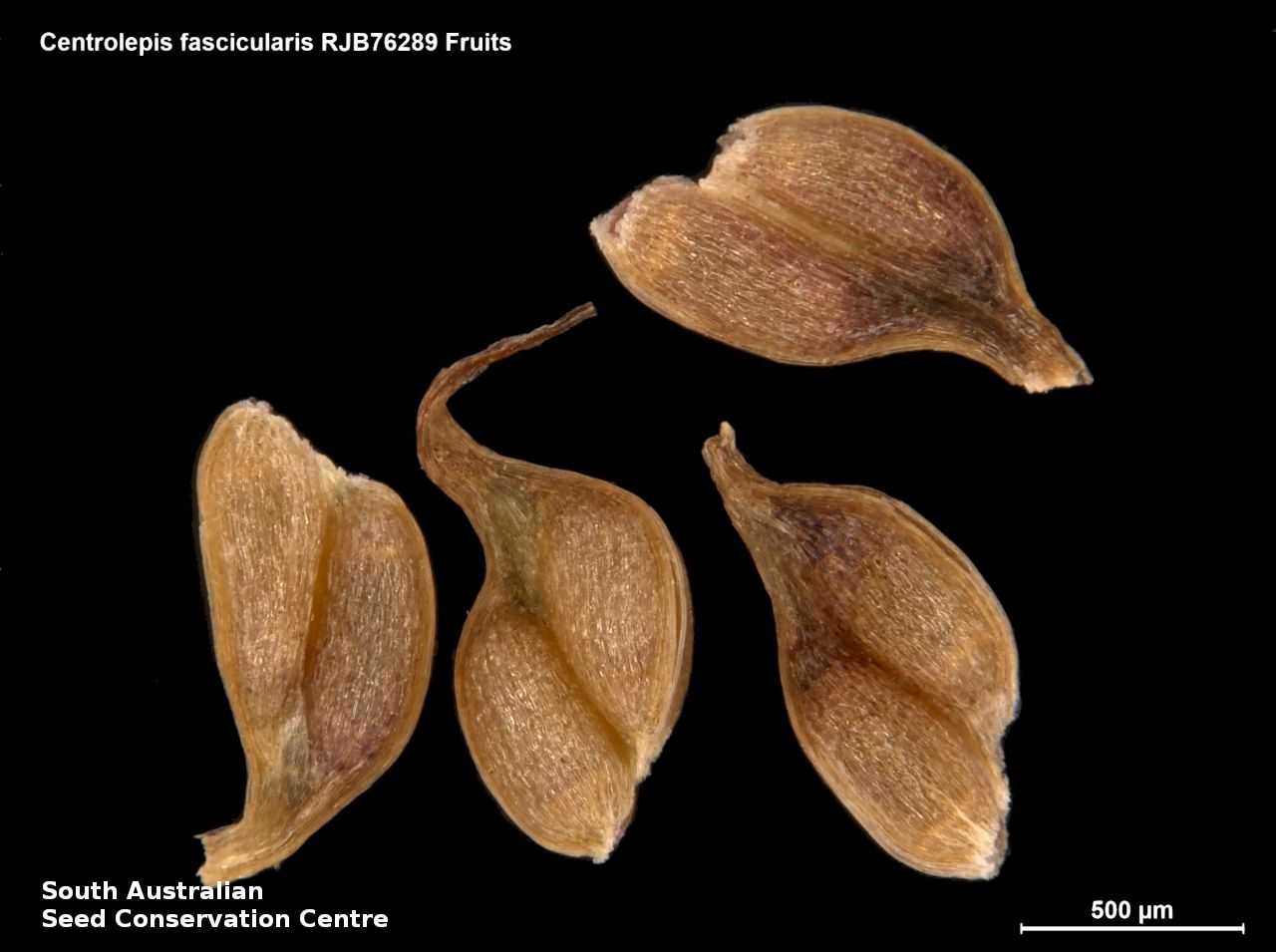
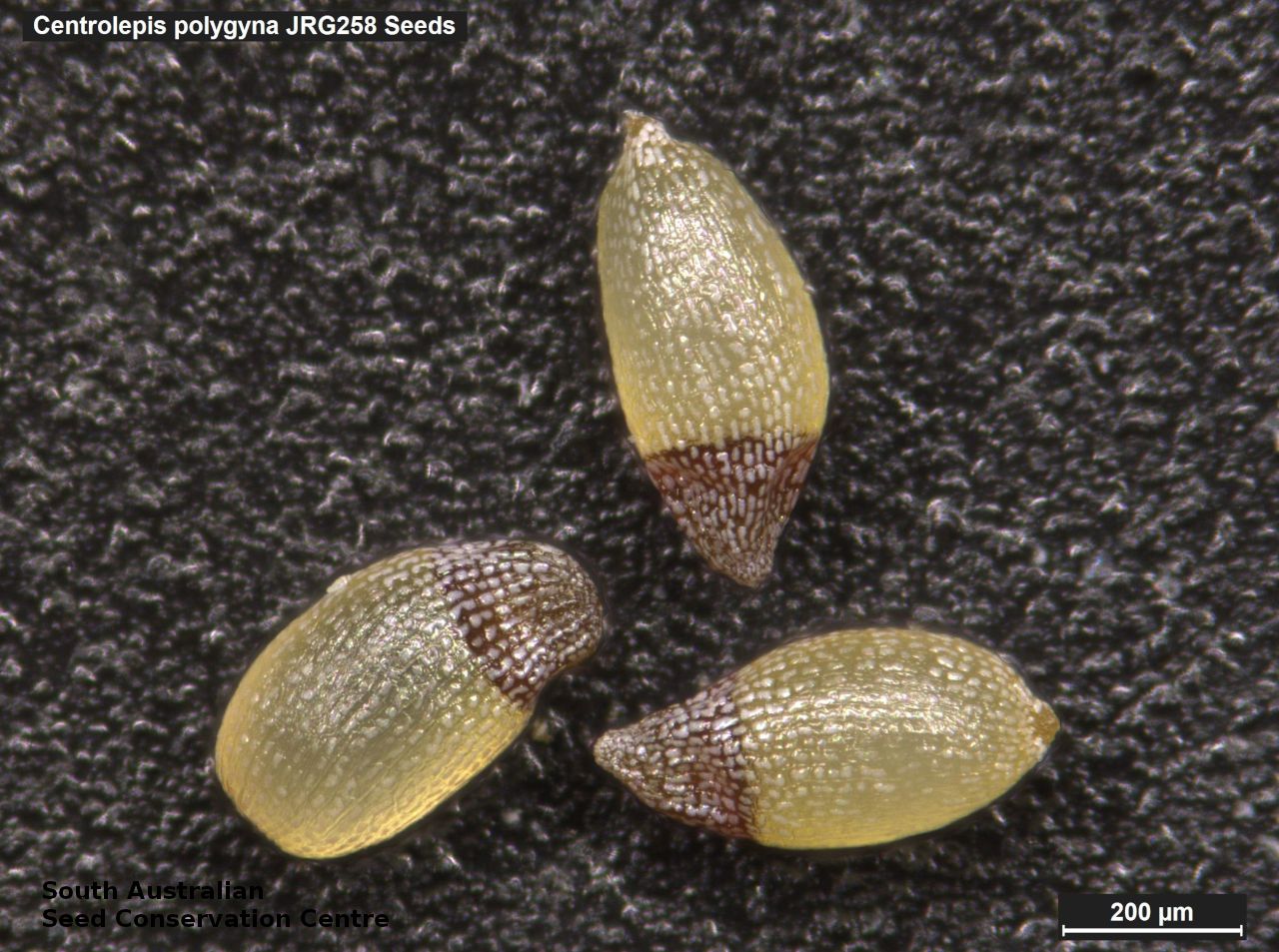
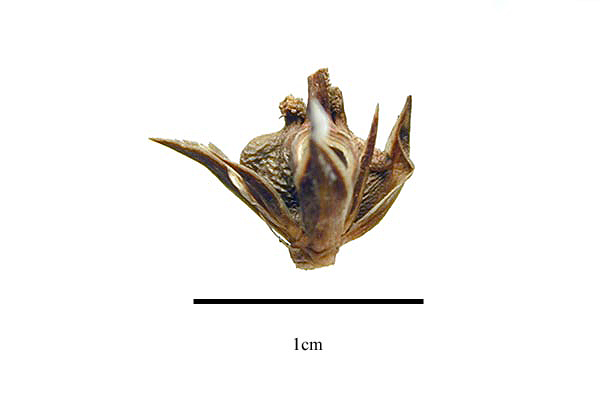
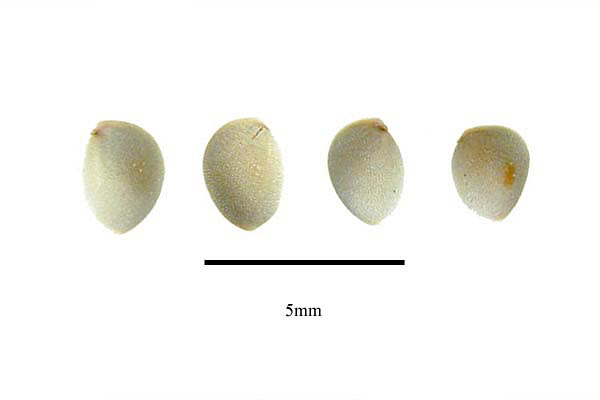
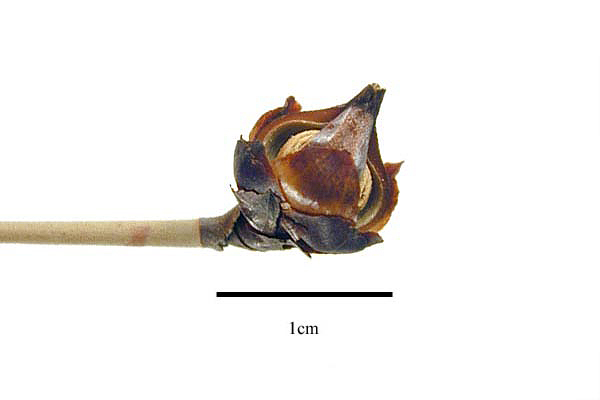
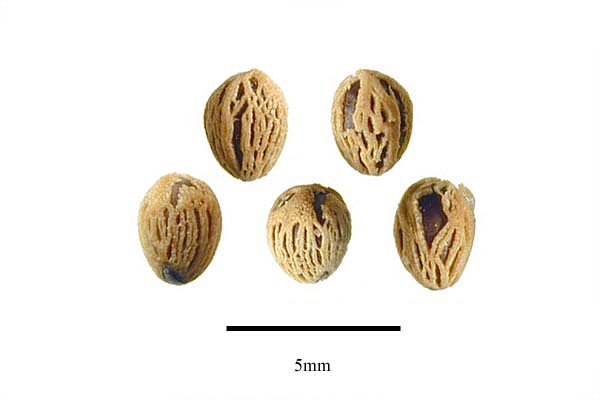
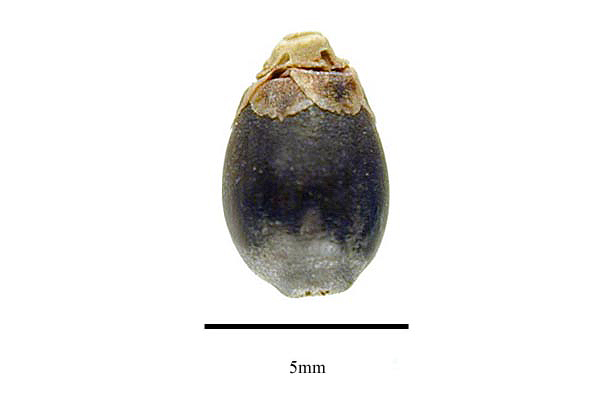
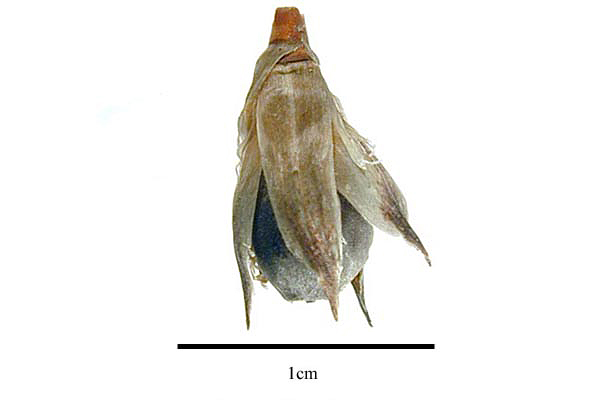
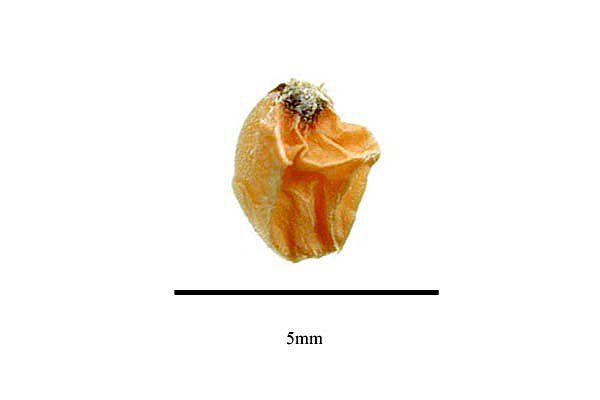
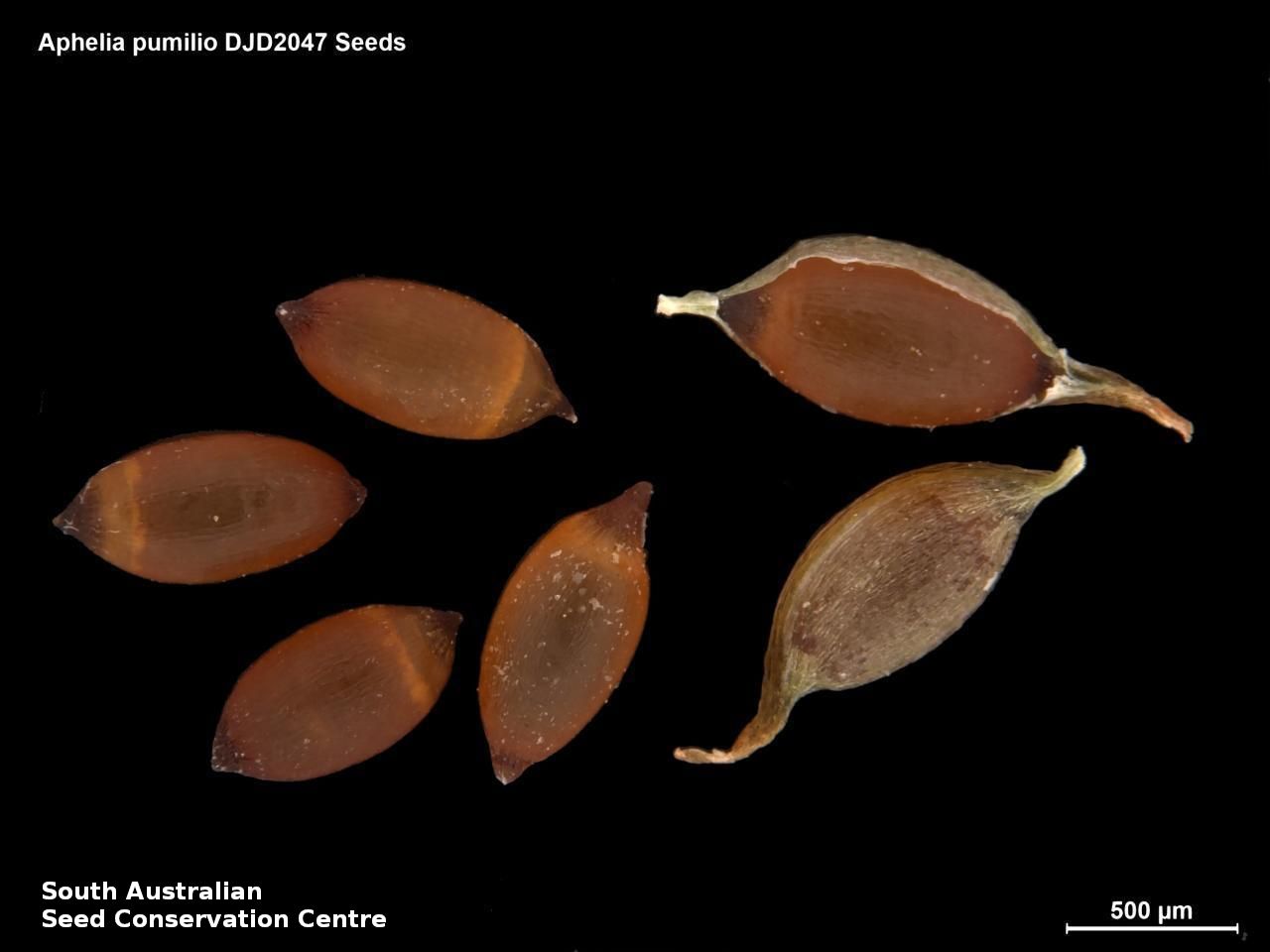
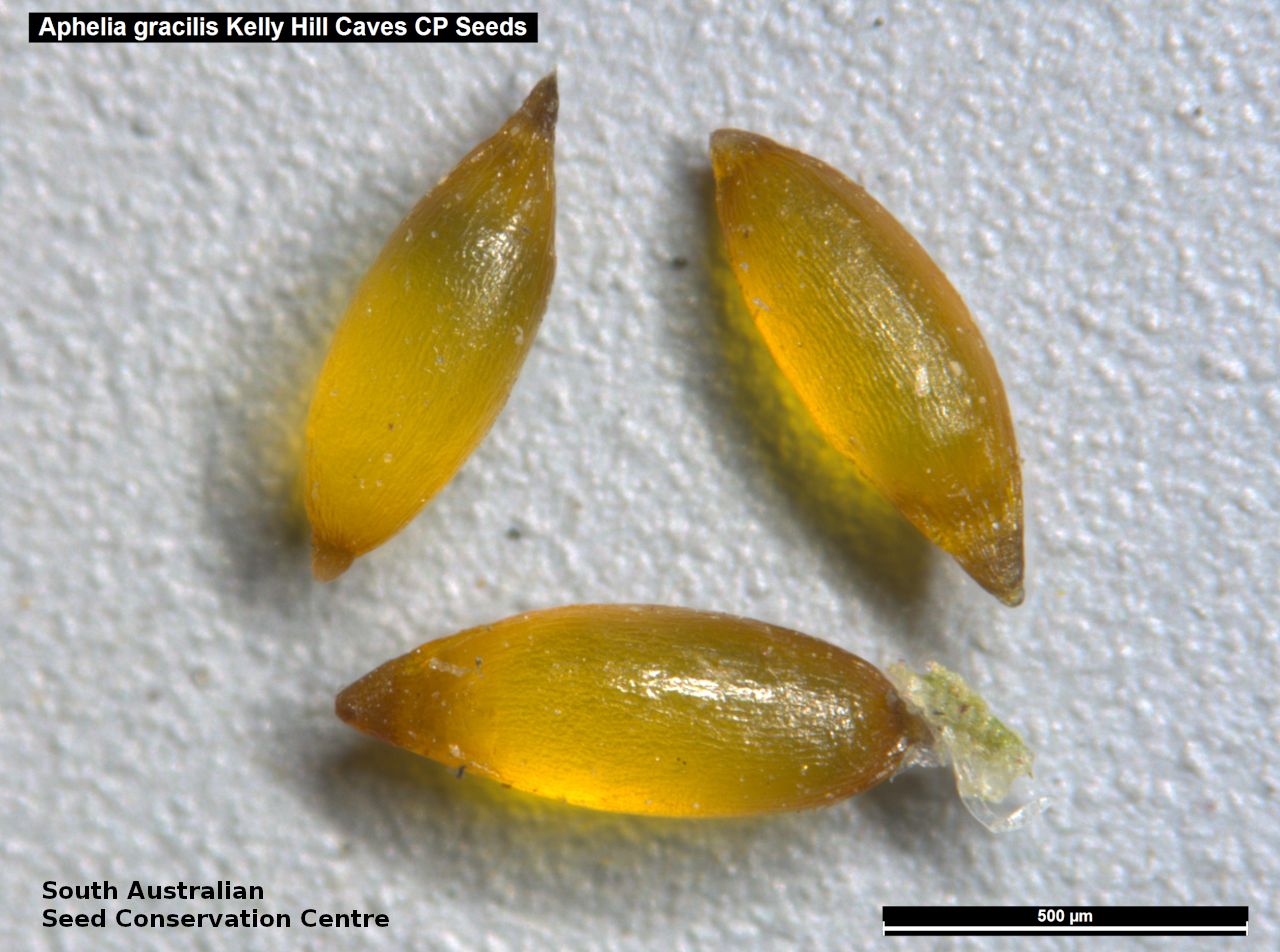
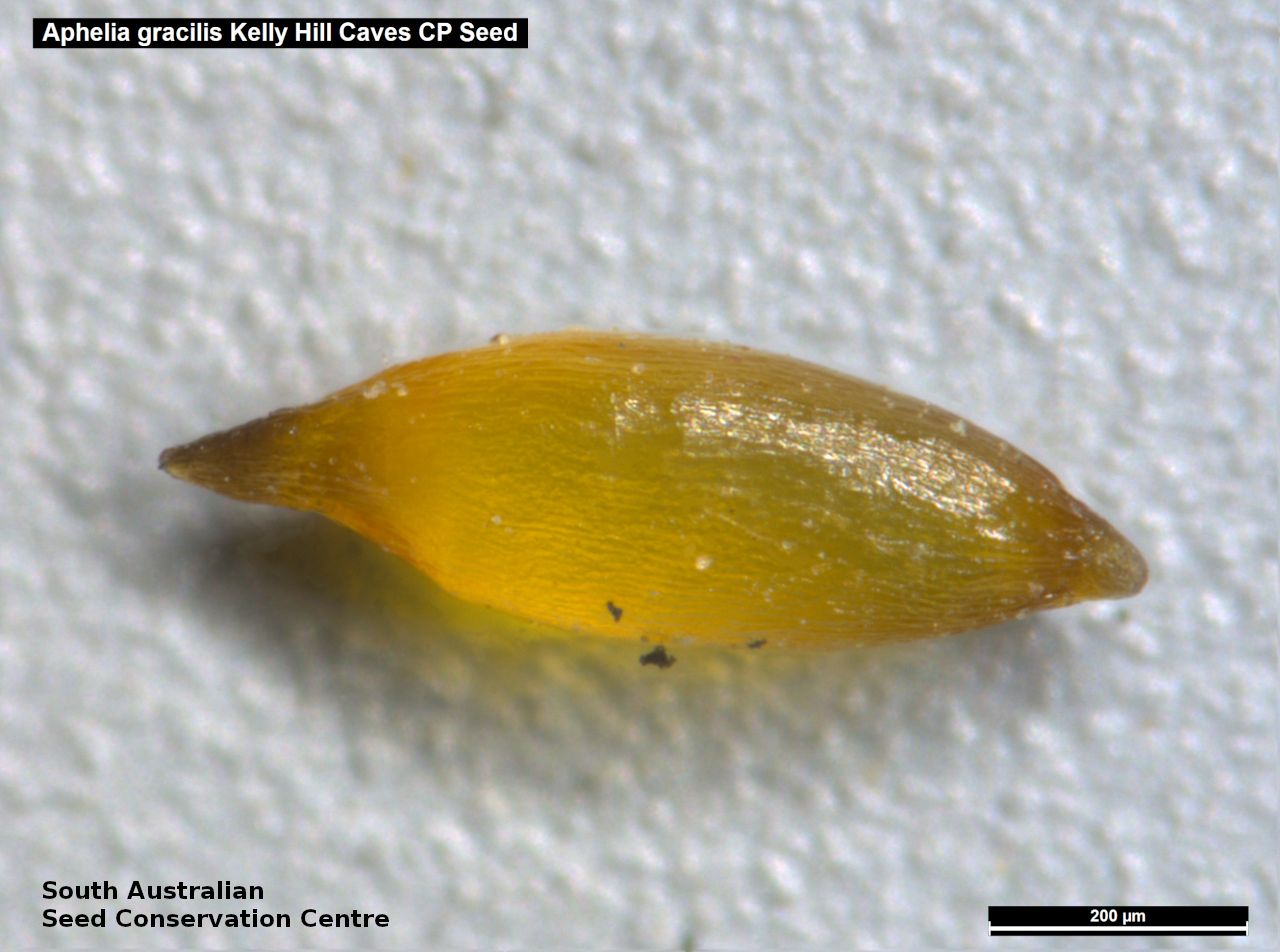
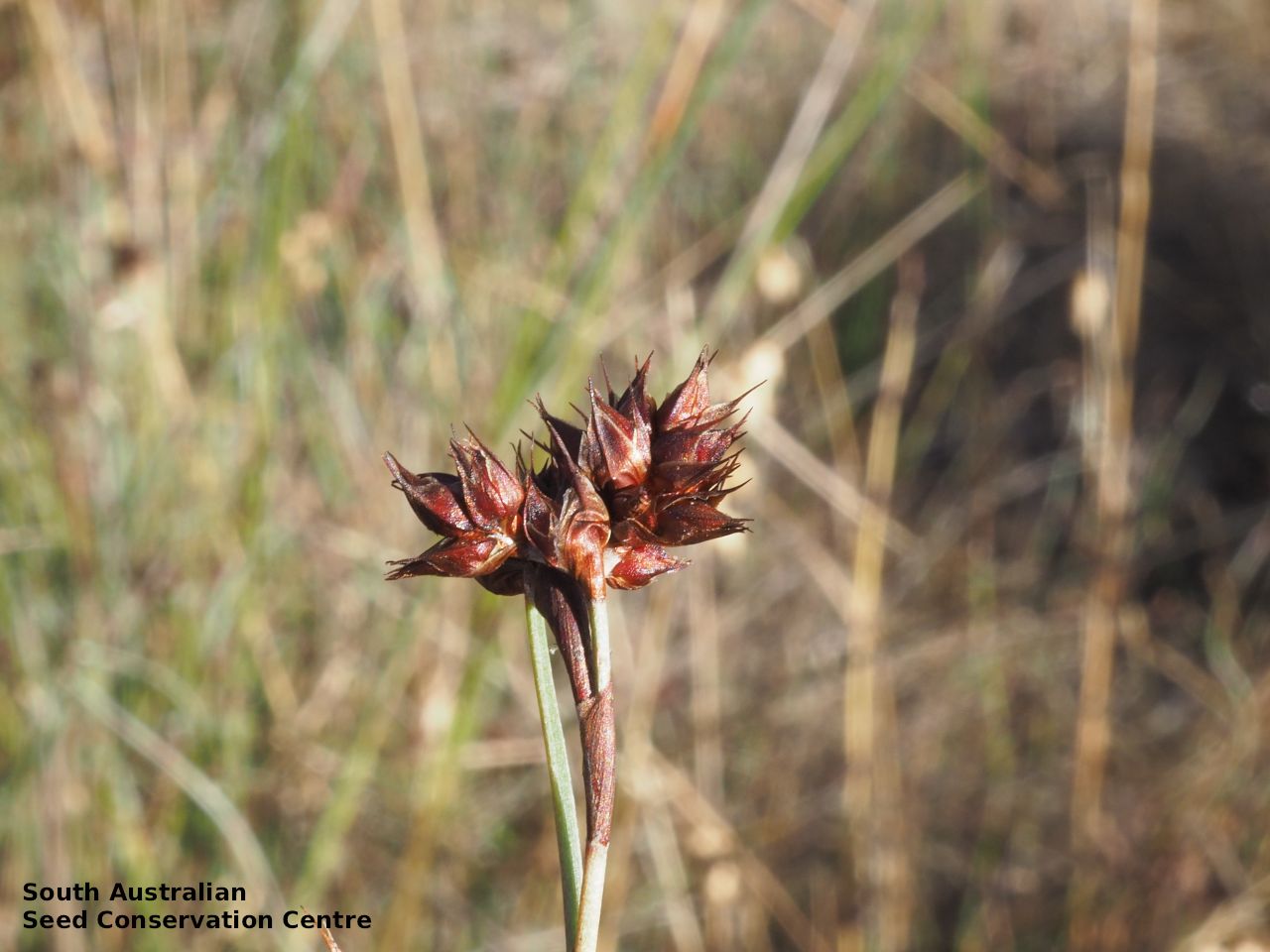
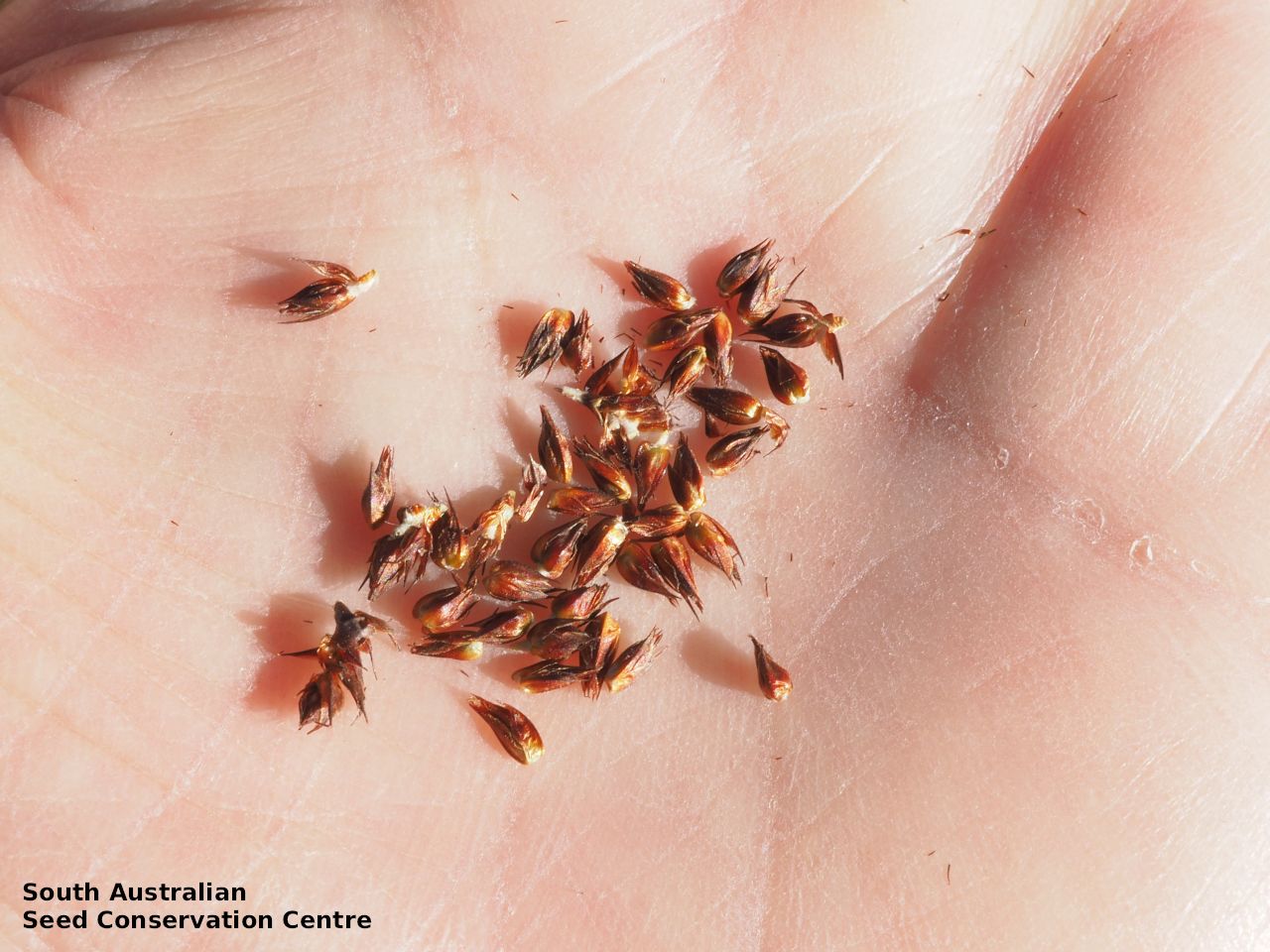
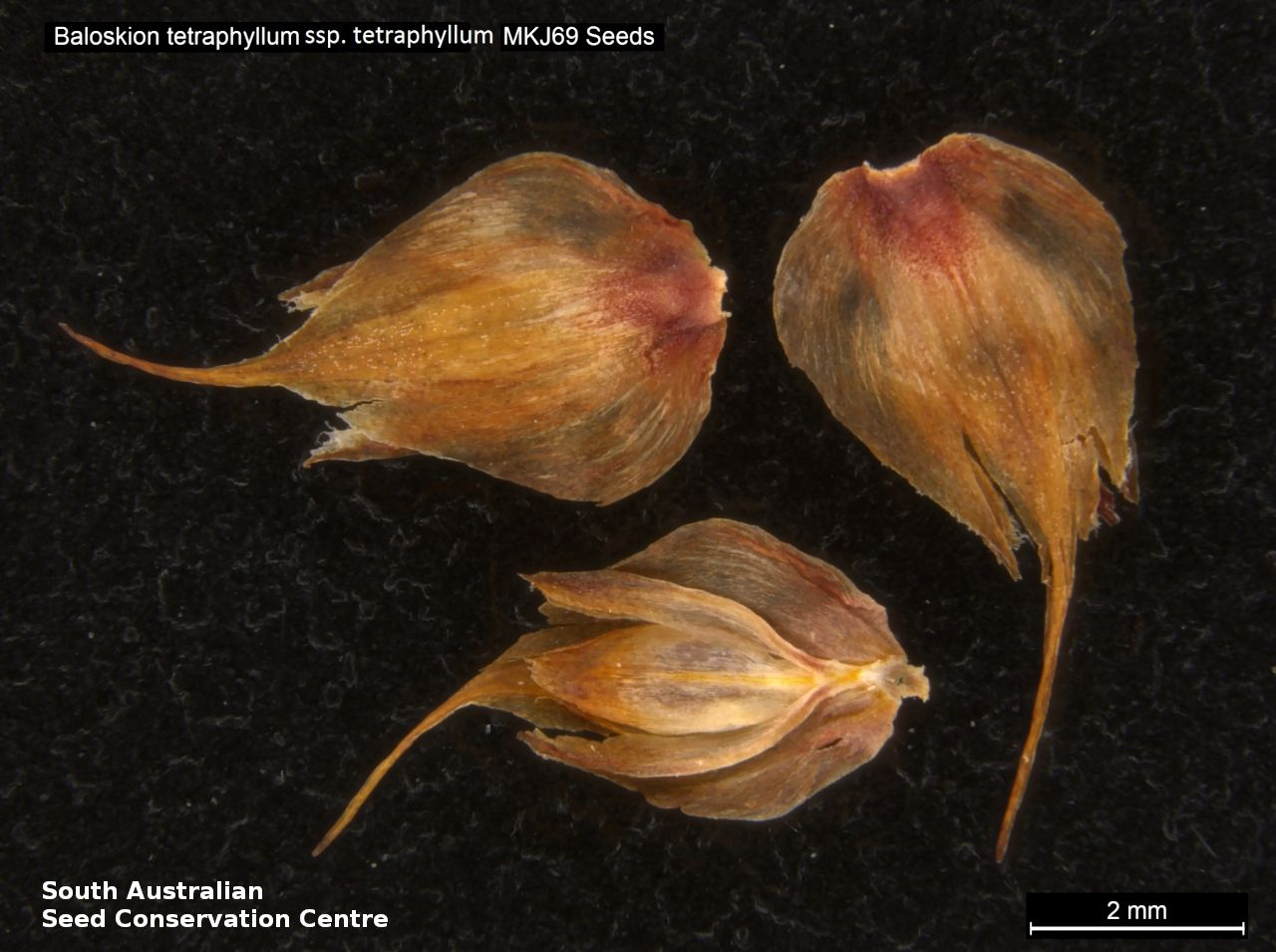
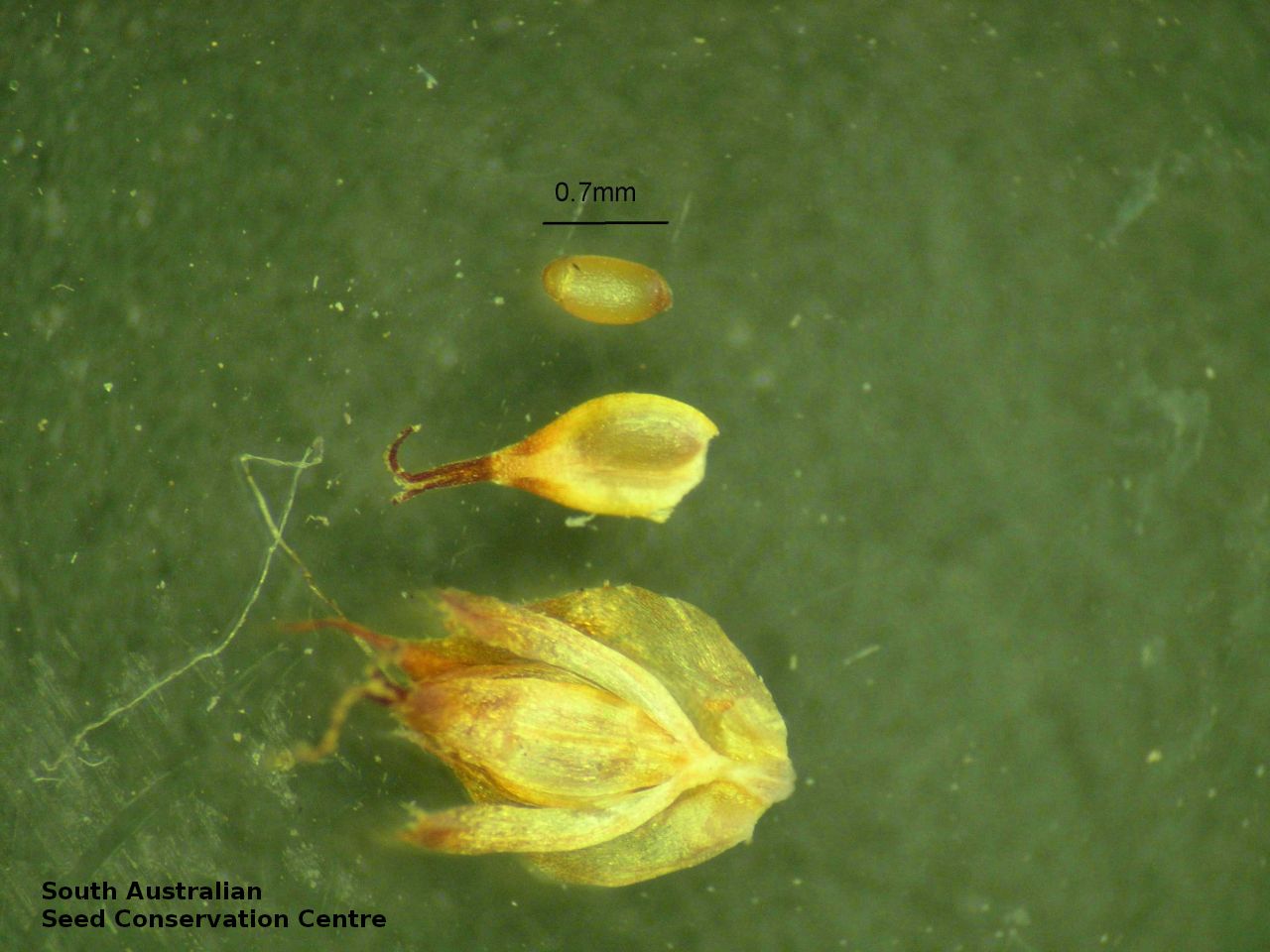
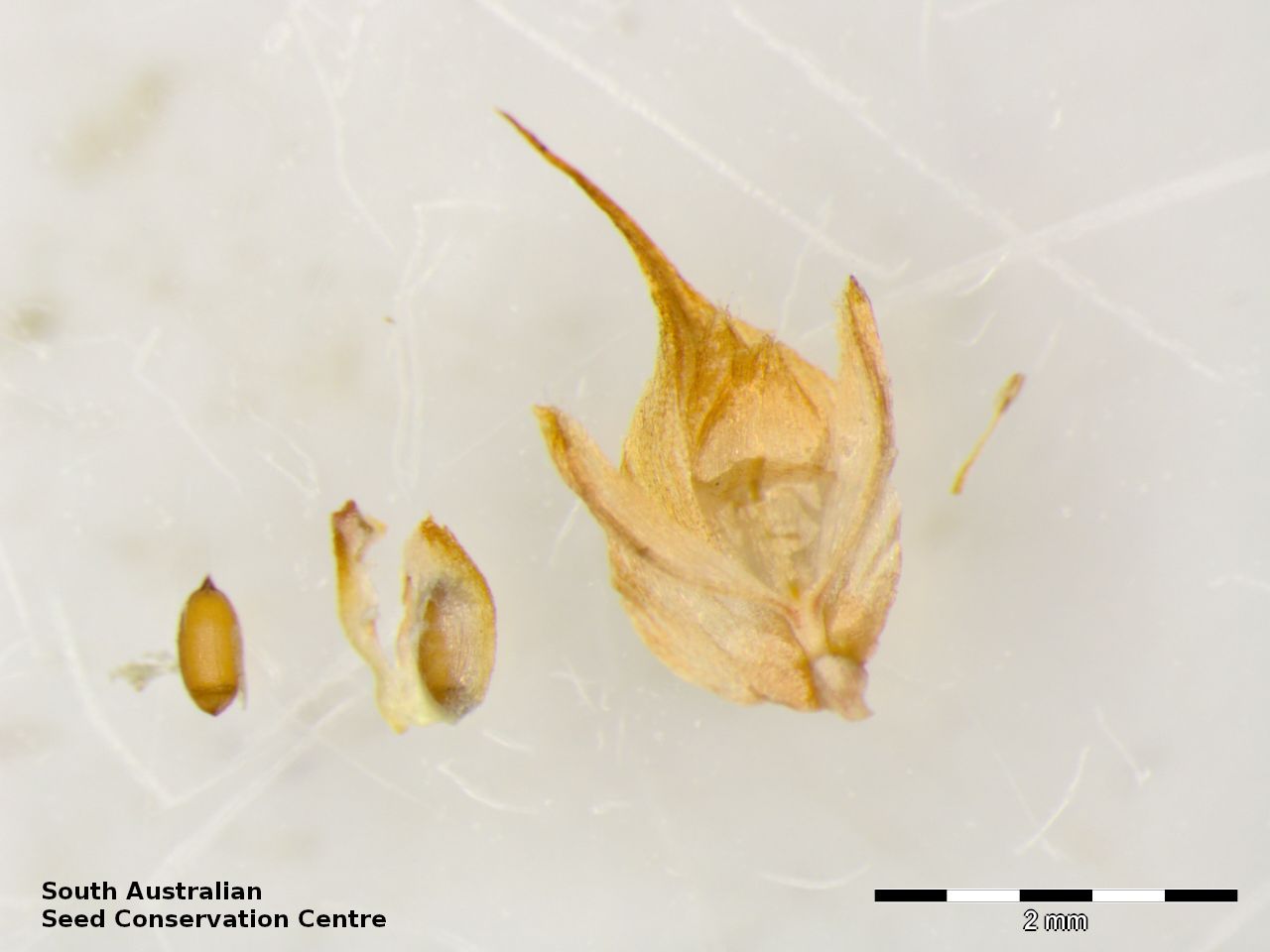
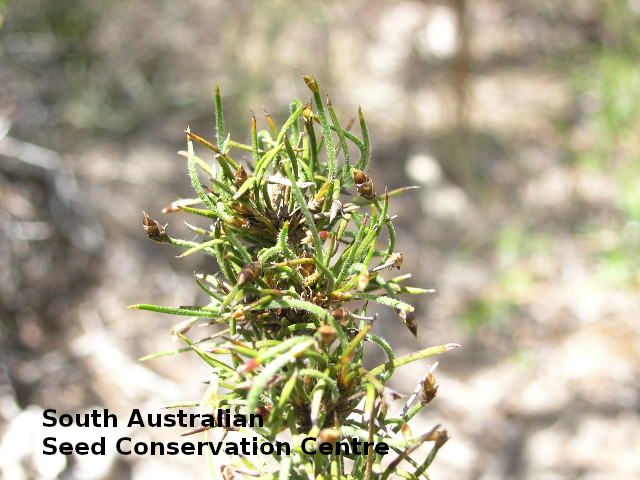
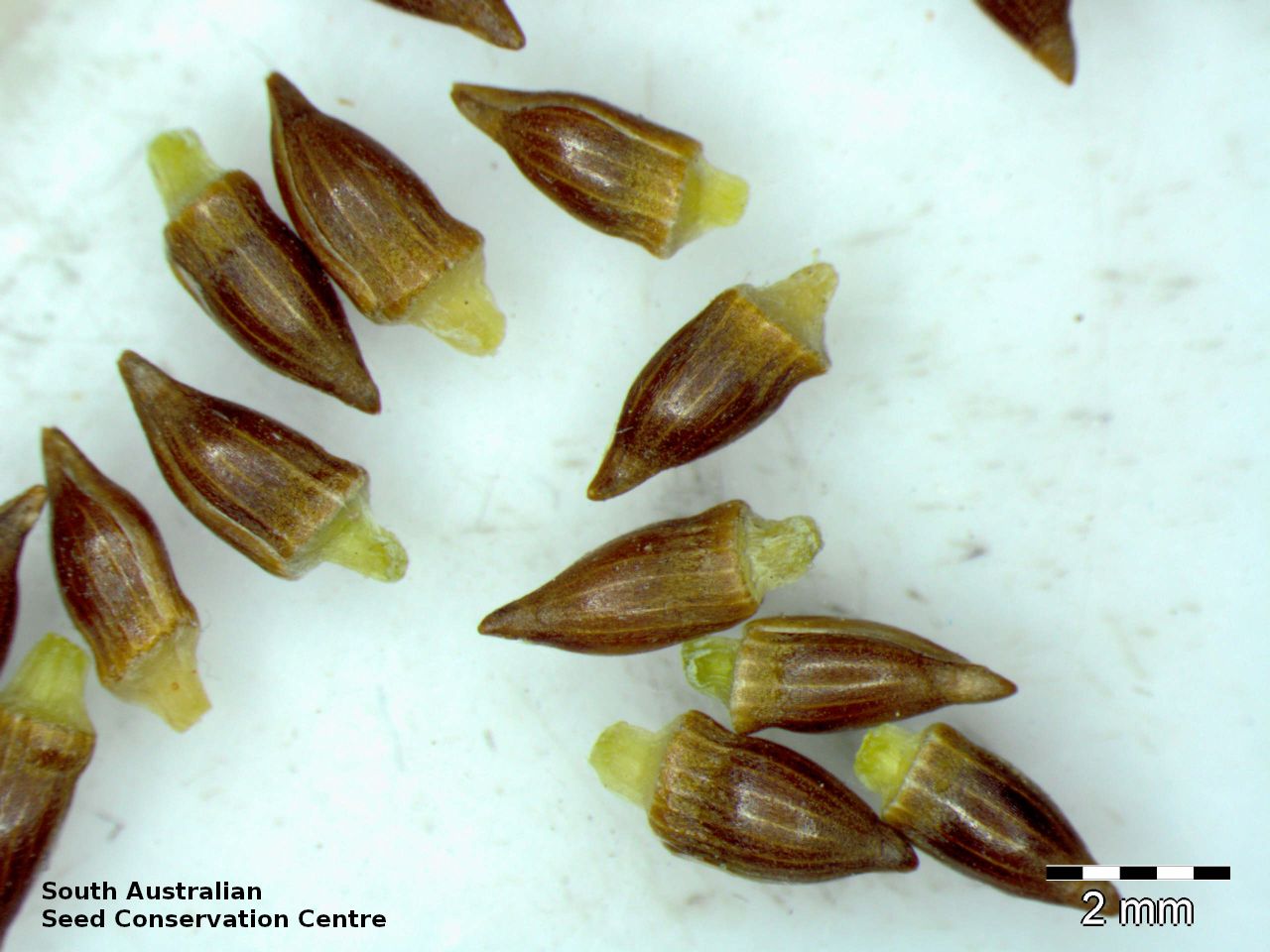
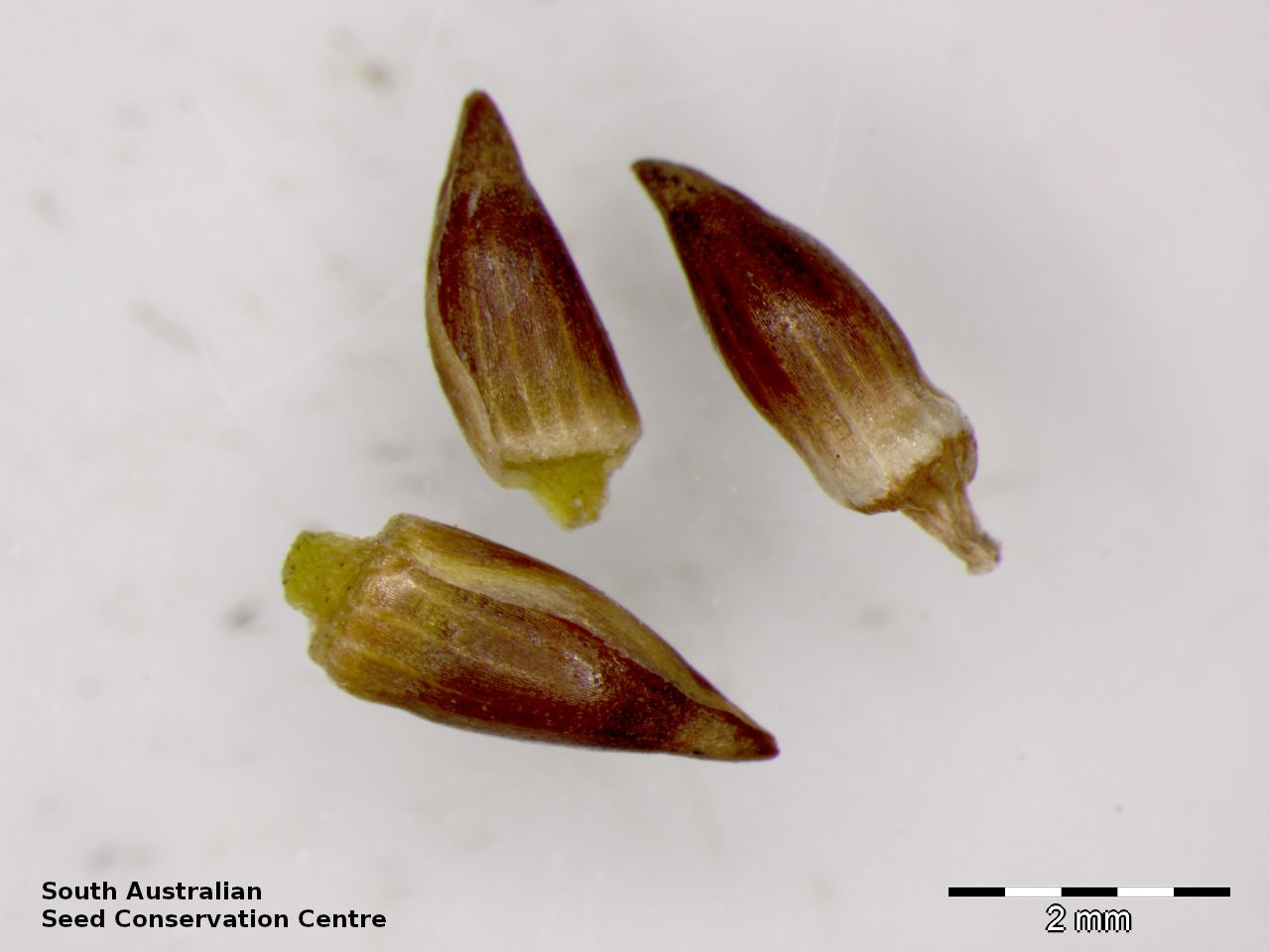
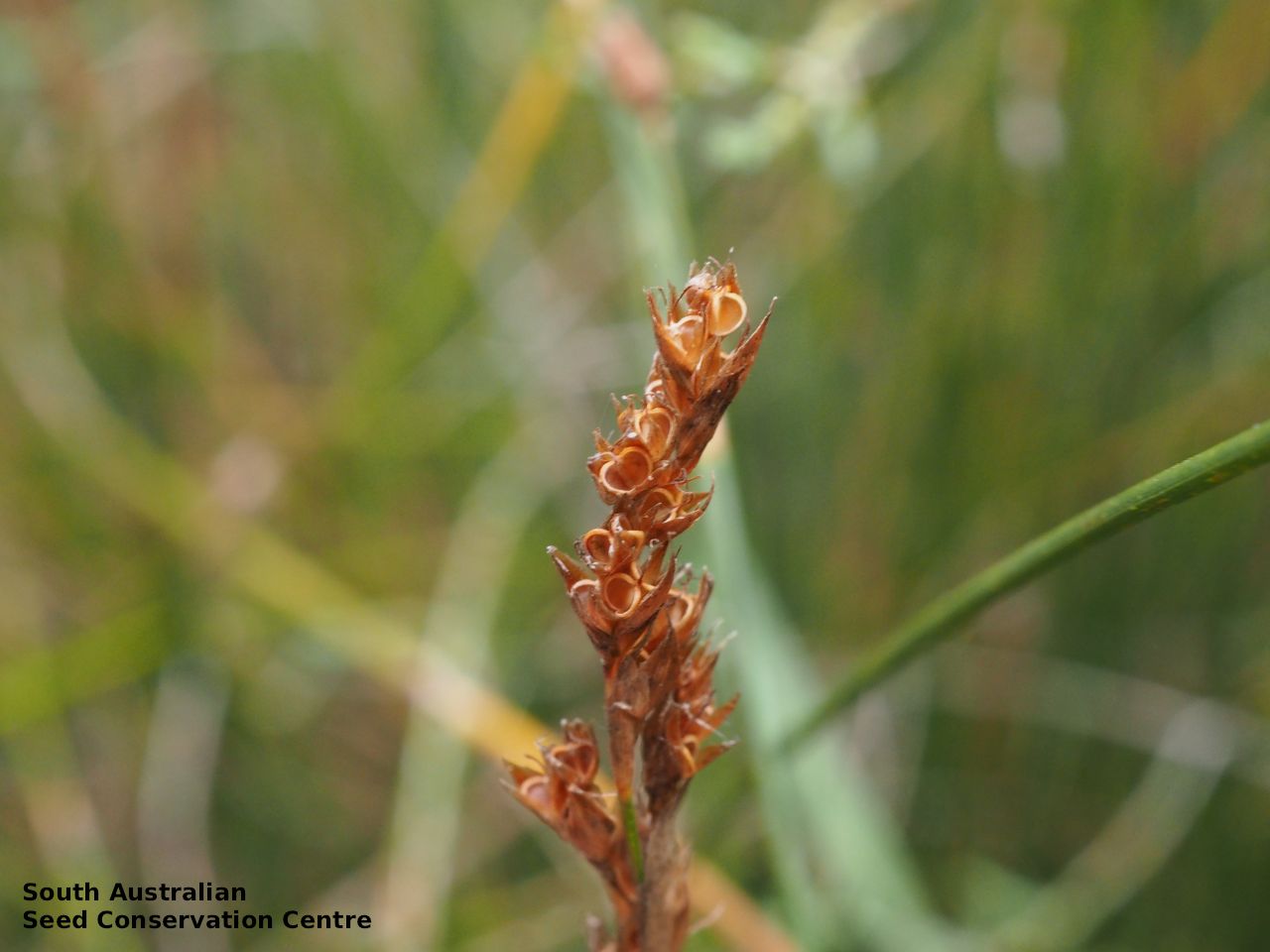
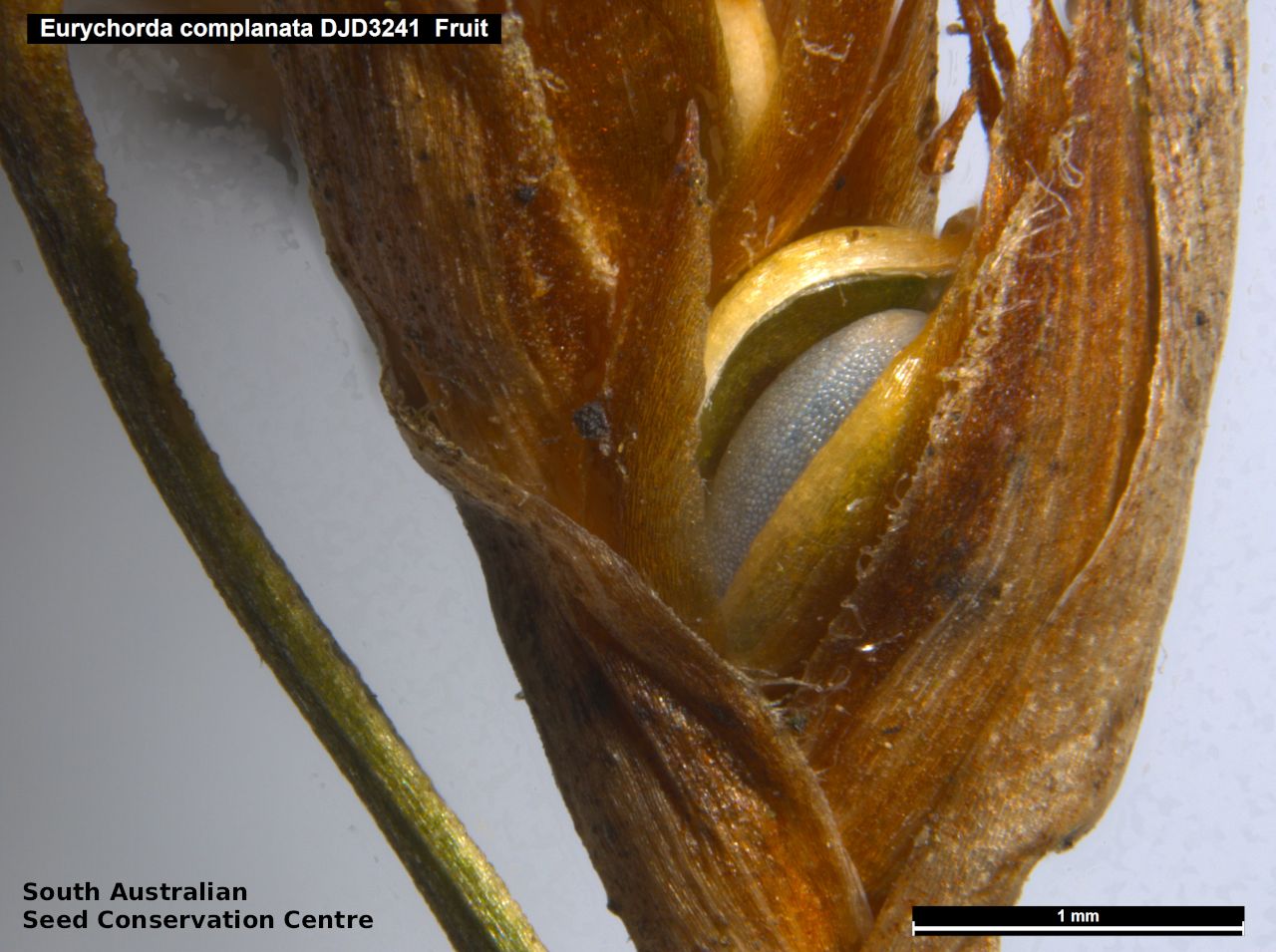
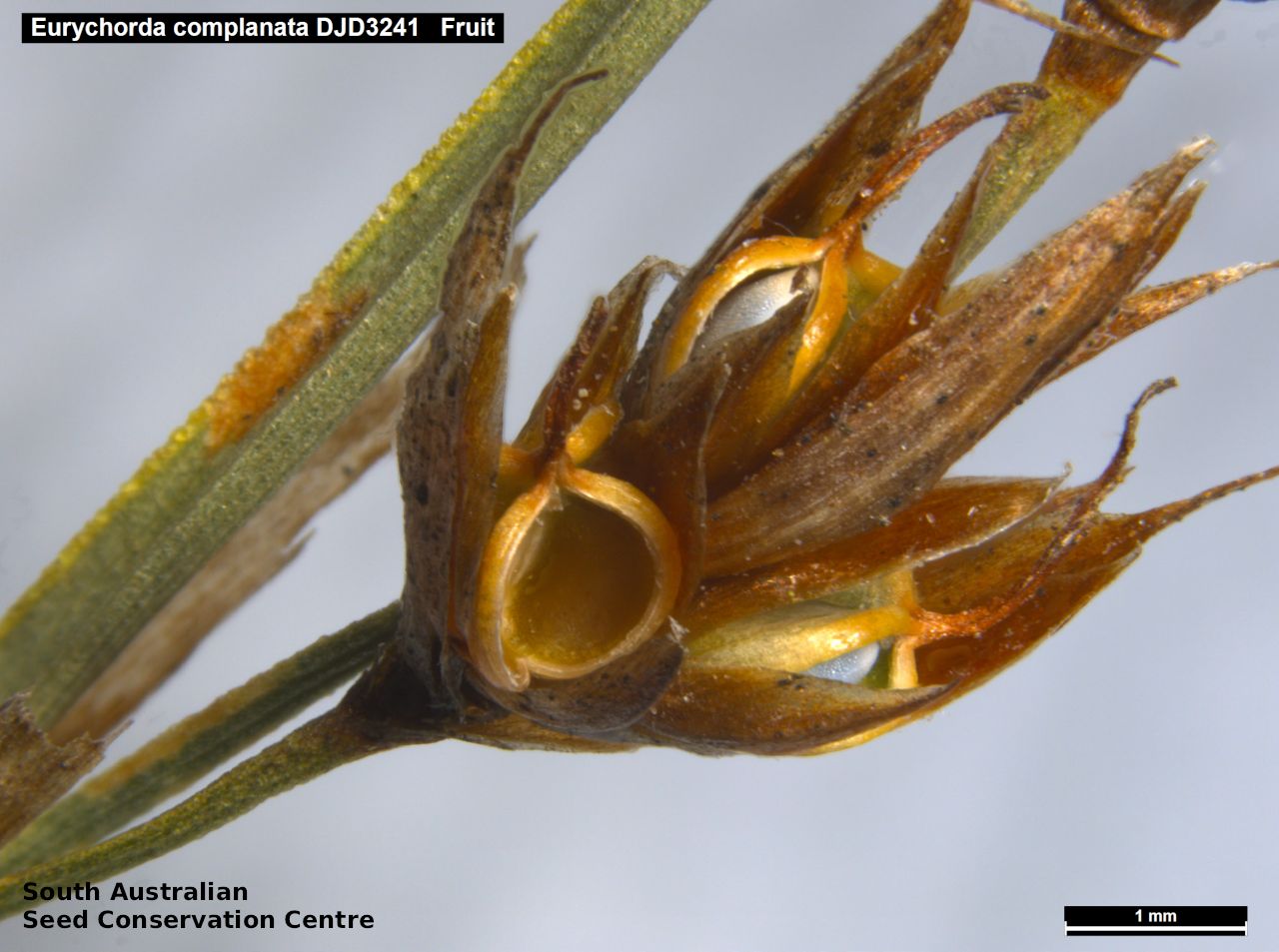
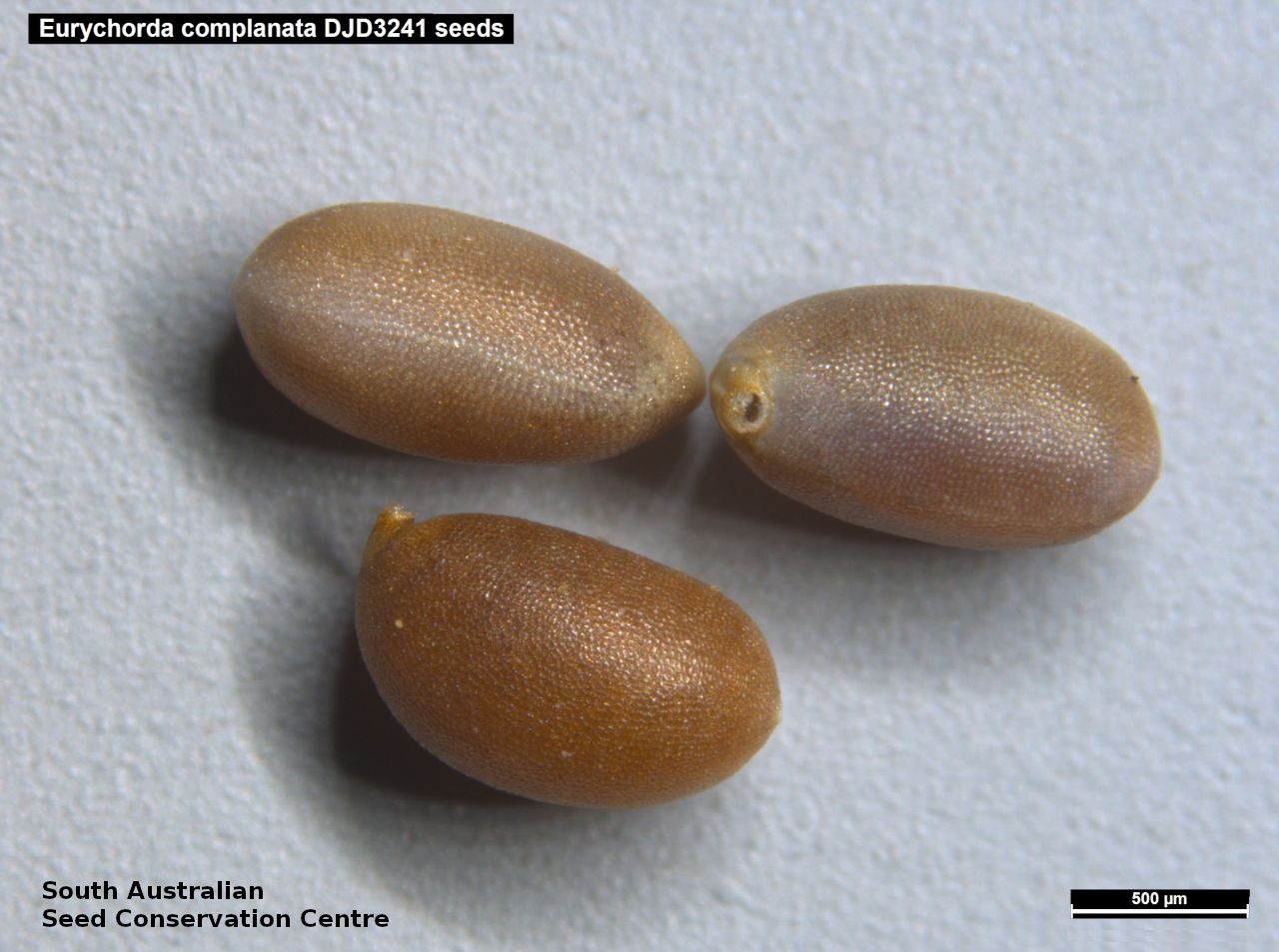
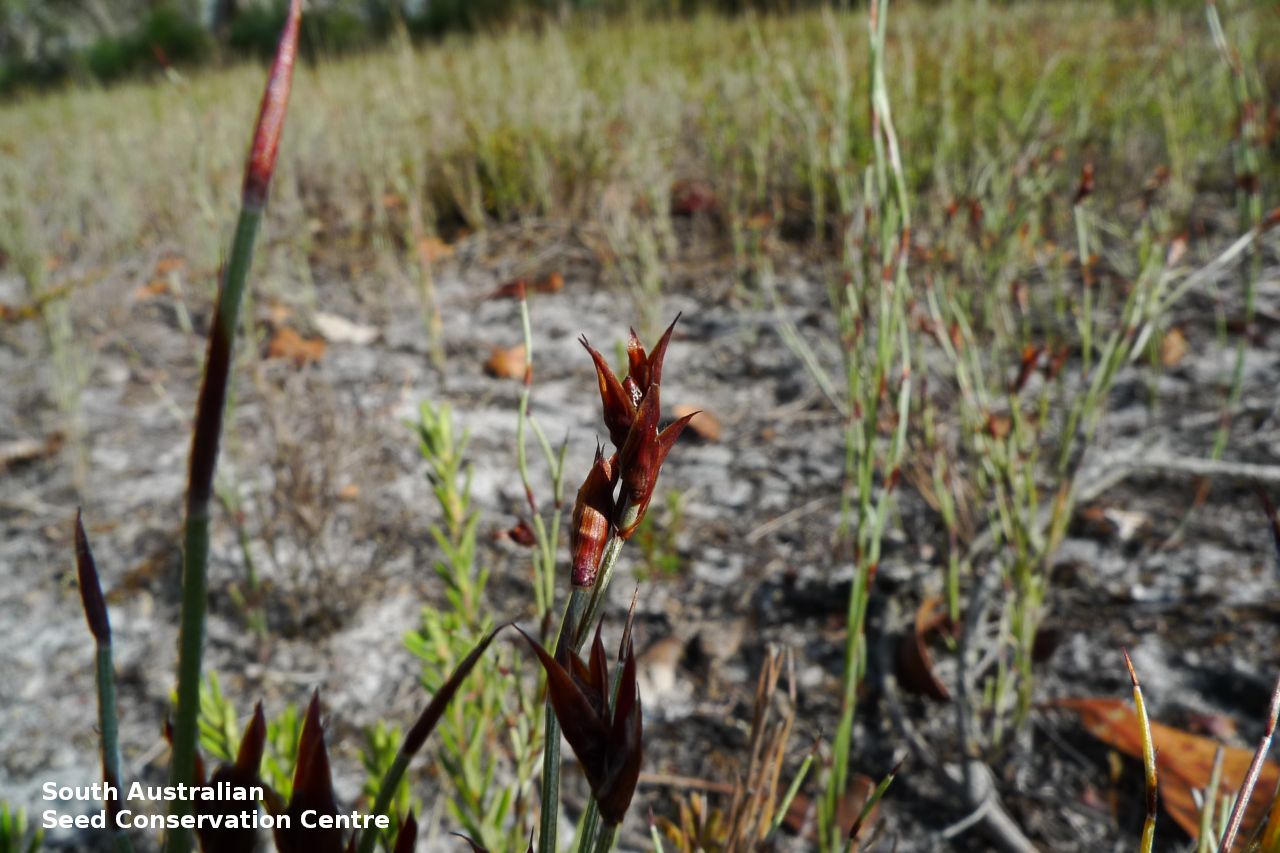
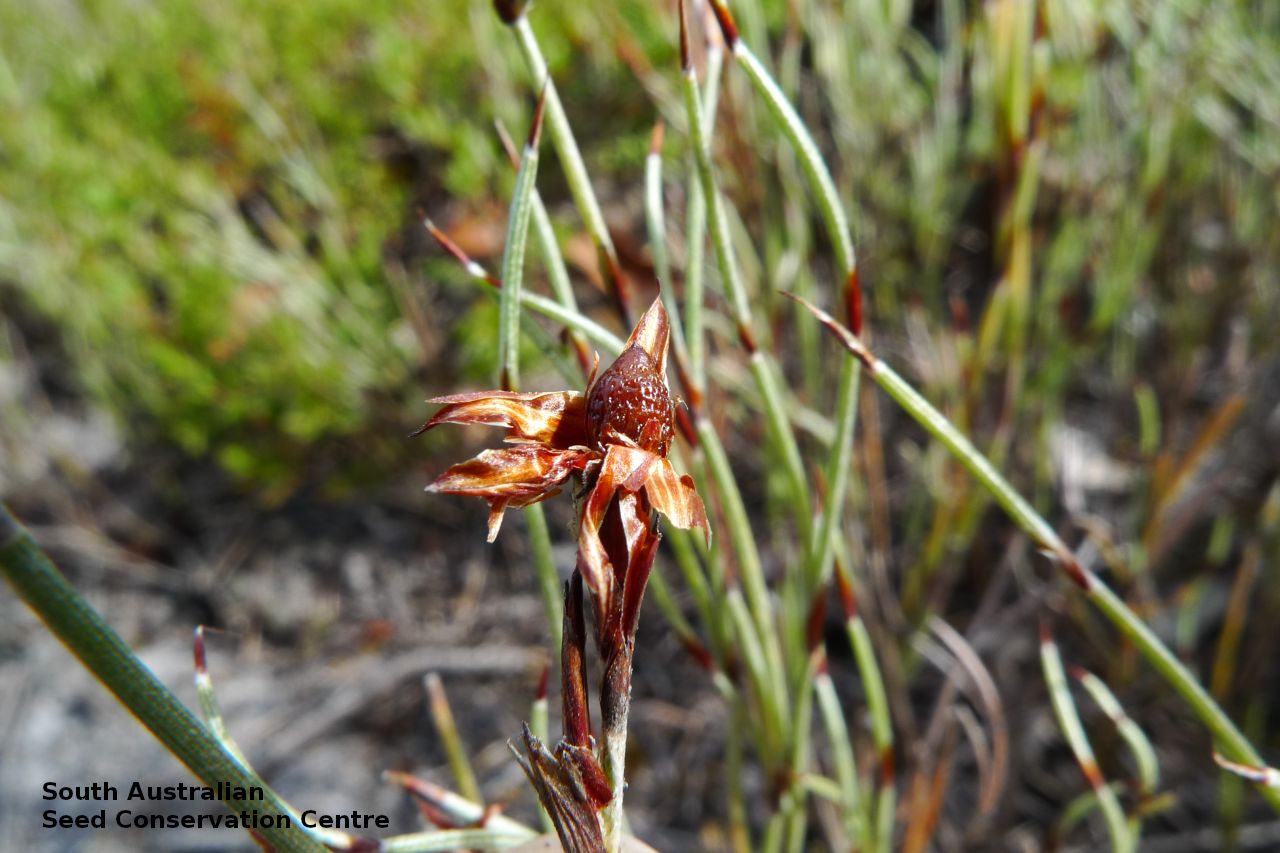
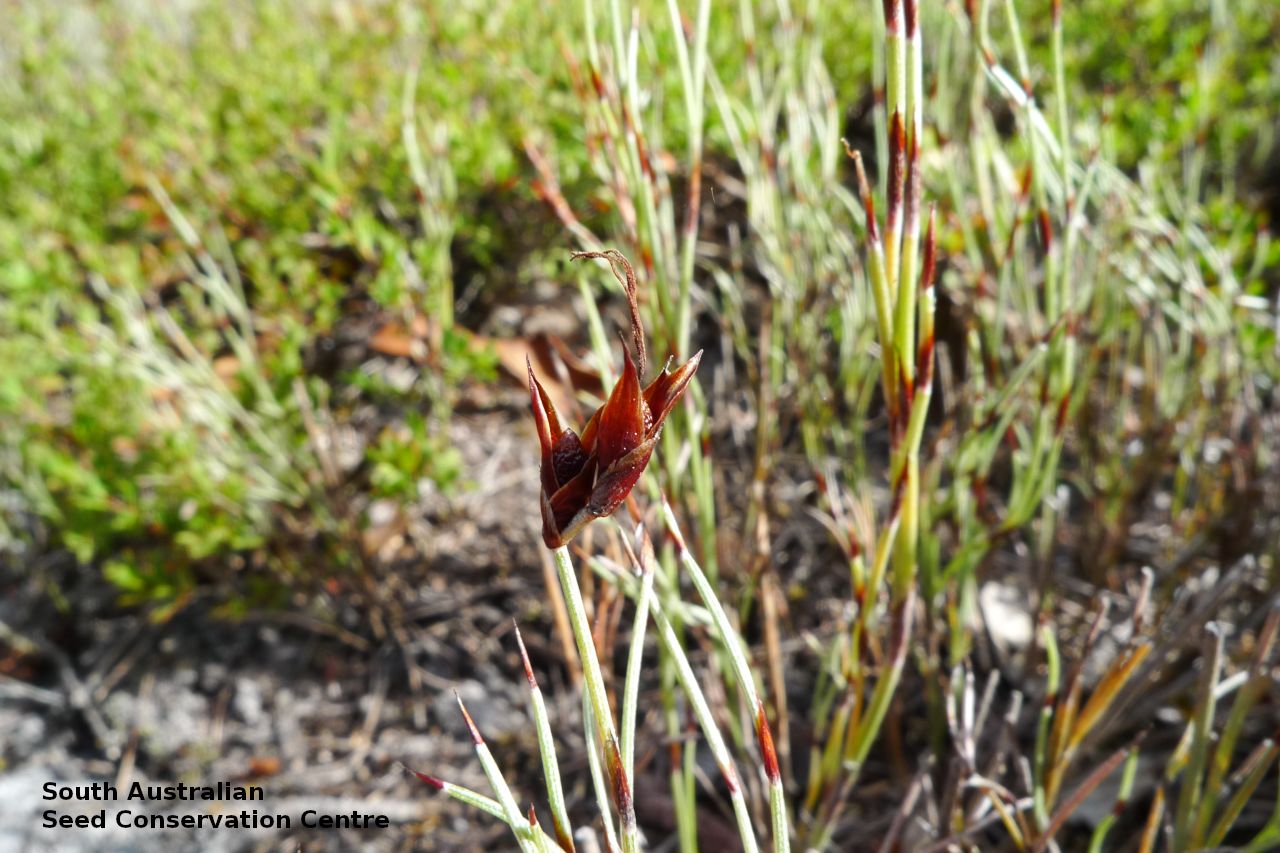
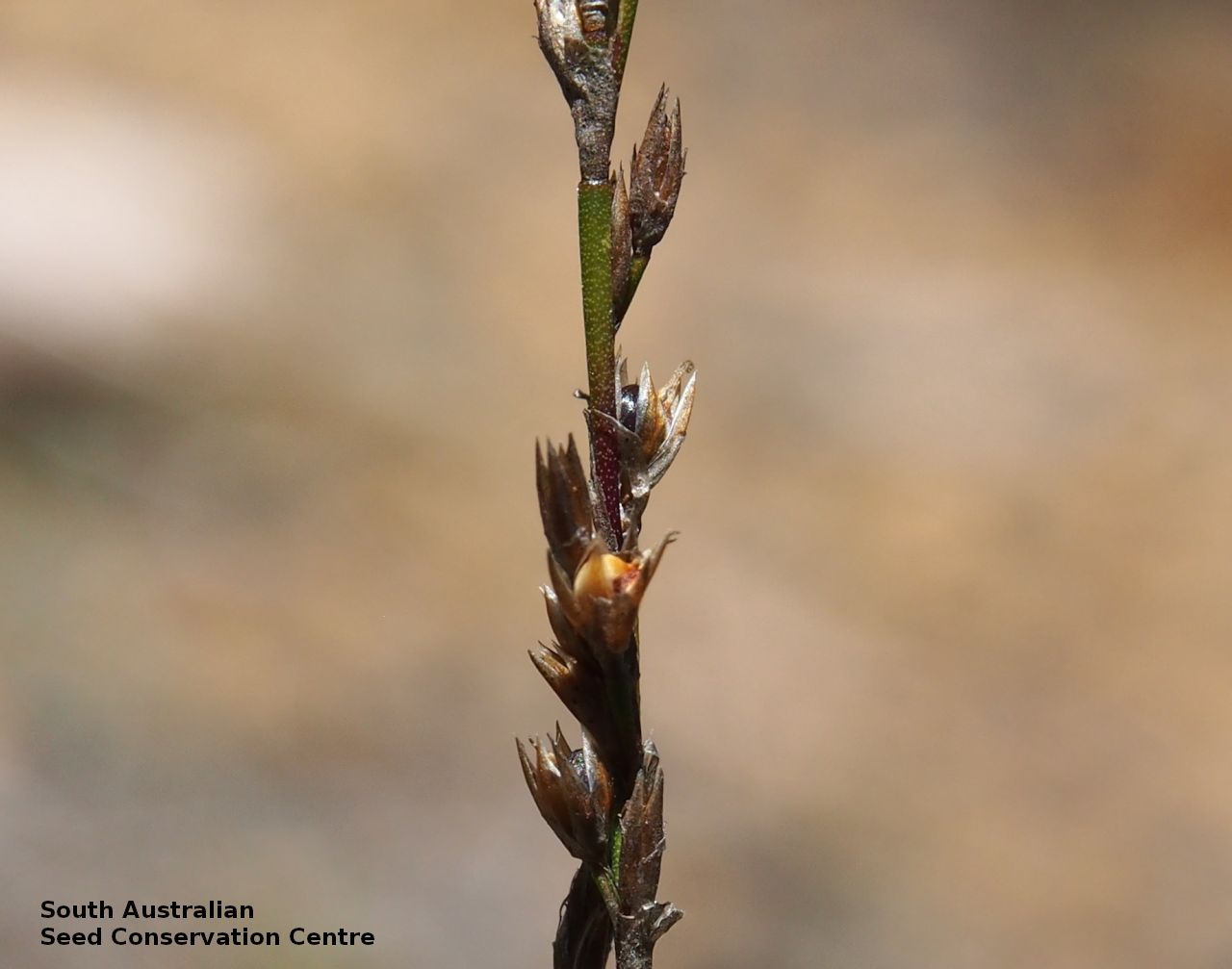
fruit or seed
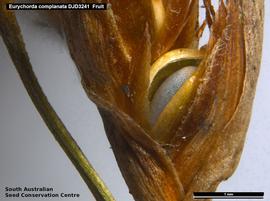
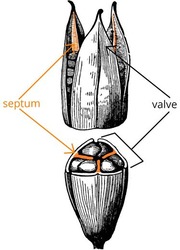
Fruit a loculicidalloculicidal:
type of capsular dehiscence, opening longitudinally through the locules (compare septicidal)
 capsulecapsule:
a dry, dehiscent fruit derived from a compound ovary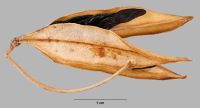 (1–3 locular), folliclefollicle:
a dry to (rarely) fleshy fruit derived from a single carpel that opens along a single longitudinal suture, derived from a single, superior, simple ovary; the seeds may be arillate or with a fleshy testa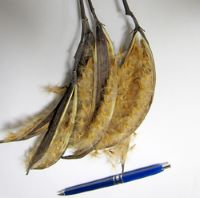 (Centrolepis, Gaimardia), or nutnut:
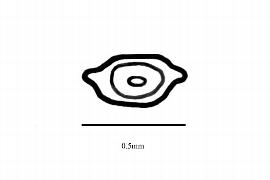
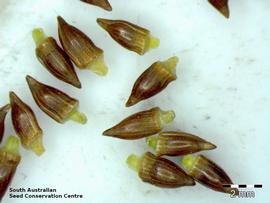
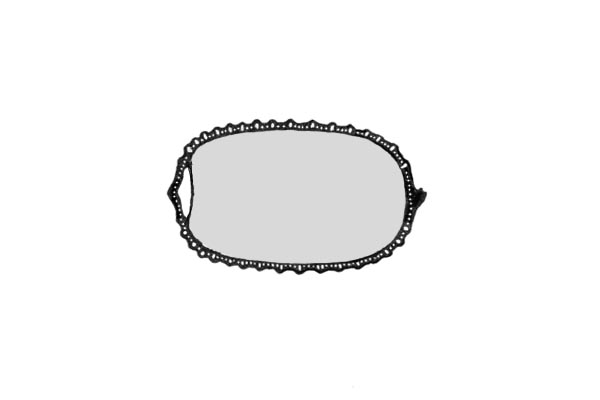
a fairly large, indehiscent, dry fruit with a thick and bony wall surrounding a single seed, derived from a single, simple or compound ovary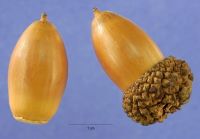 , 0.7–15 mm long, globoseglobose:
3D shape—more or less spherical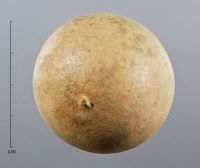 to teardrop-shapedteardrop-shaped:
2D shape—widest point is toward one end of the fruit, the other end tapers sharply to a pointed end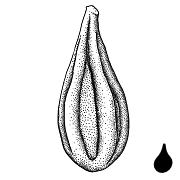 , angledangular:
2D shape—having sides that meet at acute or obtuse angles
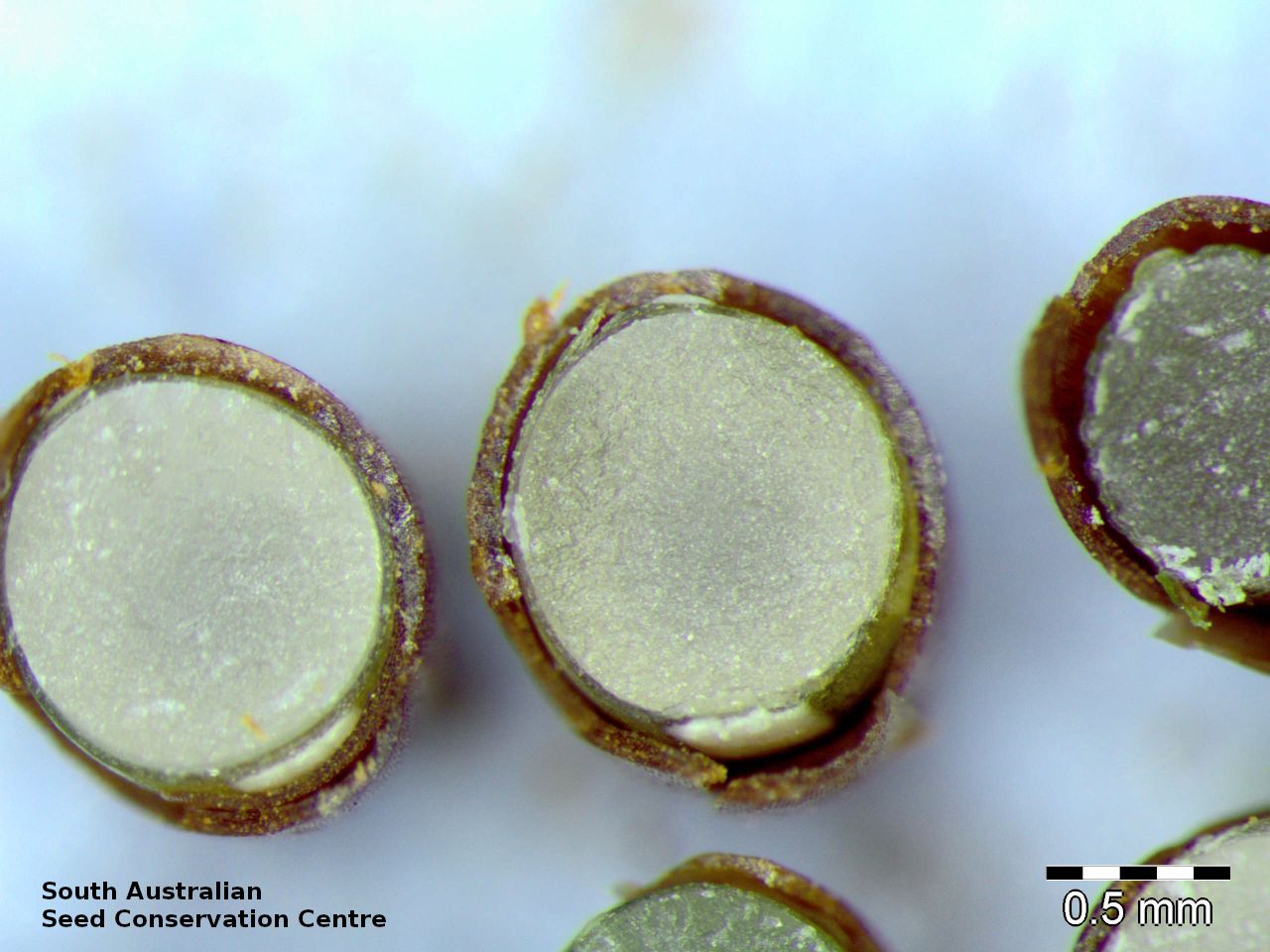
or tereteterete:
approximately circular in cross section; width and thickness approximately equal
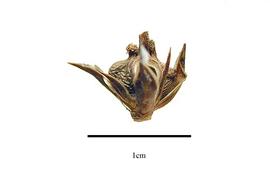
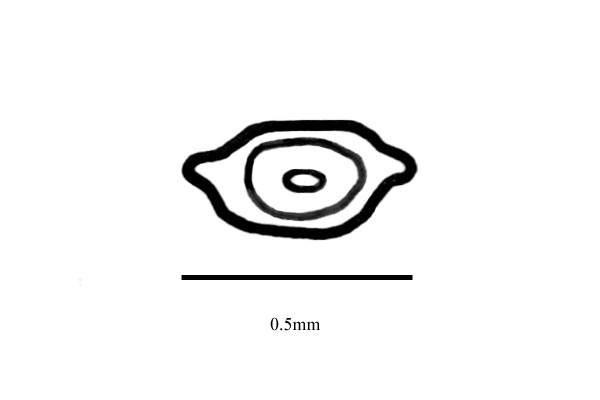
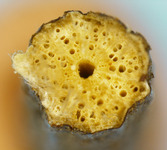 in transection, stylar beaks persistent (Catacolea, Coleocarya spp., Harperia spp., Lepidobolus), with one seed (nutnut:
a fairly large, indehiscent, dry fruit with a thick and bony wall surrounding a single seed, derived from a single, simple or compound ovary) or few seeds. NutsNut:
a fairly large, indehiscent, dry fruit with a thick and bony wall surrounding a single seed, derived from a single, simple or compound ovary are often shed with persistent glumesglume:
one of the (usually) two bracts at the base of a grass spikelet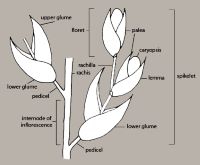 and/or a persistent perianthperianth:
collective term for calyx and corolla of a flower
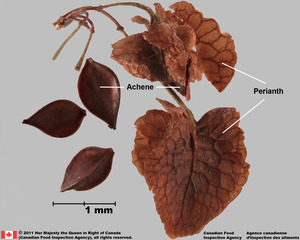 . Perianthperianth:
collective term for calyx and corolla of a flower
is membranousmembranous:
texture—extremely thin, pliable, and fairly tough
or cartilaginouscartilaginous:
texture—firm, dense, tough, somewhat pliable, and resilient, like cartilage
and shorter (Hypolaena, Willdenowia) or longer than the nutnut:
a fairly large, indehiscent, dry fruit with a thick and bony wall surrounding a single seed, derived from a single, simple or compound ovary. Catacolea, Desmocladus, Hypodicus, Kulinia, Lepidobolus, and Willdenowia nutsnut:
a fairly large, indehiscent, dry fruit with a thick and bony wall surrounding a single seed, derived from a single, simple or compound ovary are also shed with a fleshy pedicelspedicel:
the stalk of a flower
, which are nearly elaiosomelike in Wildenowia. In Hypolaena, nutsnut:
a fairly large, indehiscent, dry fruit with a thick and bony wall surrounding a single seed, derived from a single, simple or compound ovary are shed with thickened pedicelspedicel:
the stalk of a flower
, perianthsperianth:
collective term for calyx and corolla of a flower
, bracts, and glumesglume:
one of the (usually) two bracts at the base of a grass spikelet or as a spikeletspikelet:
basic unit of the grass inflorescence, commonly consisting of a pair of glumes and one to many florets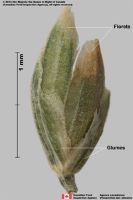 . In Chaetanthus and Meeboldina, the persistent perianthperianth:
collective term for calyx and corolla of a flower
bears or is modified to awnsawn:
a narrow, bristle-like organ, as on the glumes or lemmas of grasses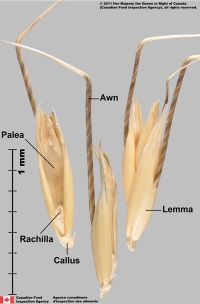 , hairs, or laterallateral:
(of embryo) embryo lies along the side of the seed, generally towards one end; of, at, or from the side; in grasses, can refer to the sides adjacent to the dorsal and ventral sides
wings. Pericarppericarp:
fruit wall or fruit coat
black, brown, gray, green, yellow, or brown, shinyshiny:
uniformly reflecting a high proportion of incident light at all angles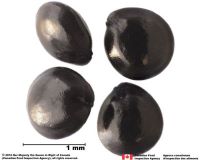 , membranousmembranous:
texture—extremely thin, pliable, and fairly tough
, woodywoody:
texture—consisting mainly of indurate lignified tissues, characteristic of or resembling wood
, indurateindurate:
texture—hardened or stony; yielding under strong pressure; not deformable without internal structural disruption
, or leatheryleathery:
texture—moderately thick, tough, and very pliable
, smooth or variously ornamented.
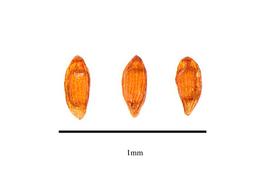
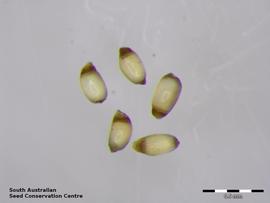
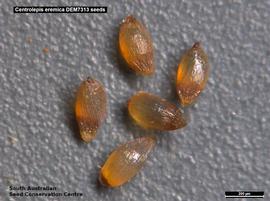
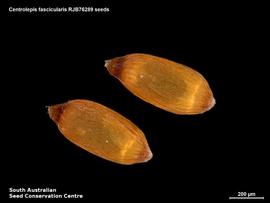
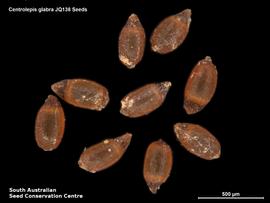
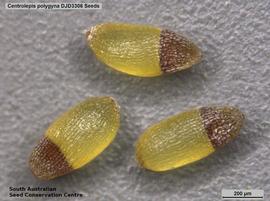
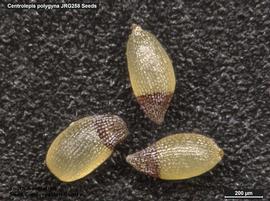
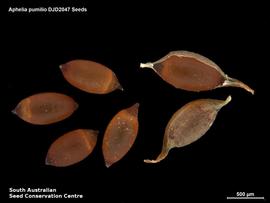
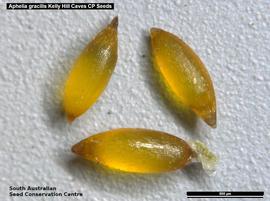
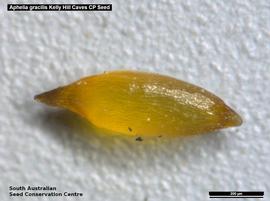
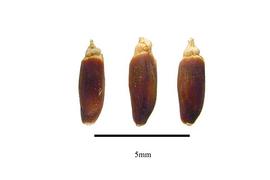
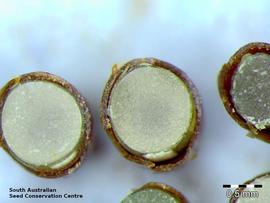
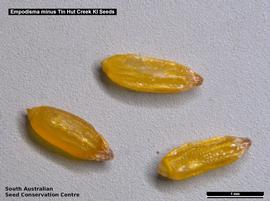
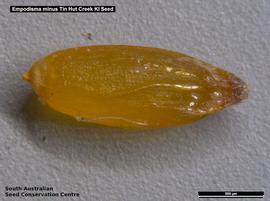
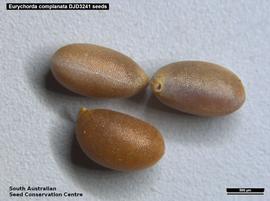
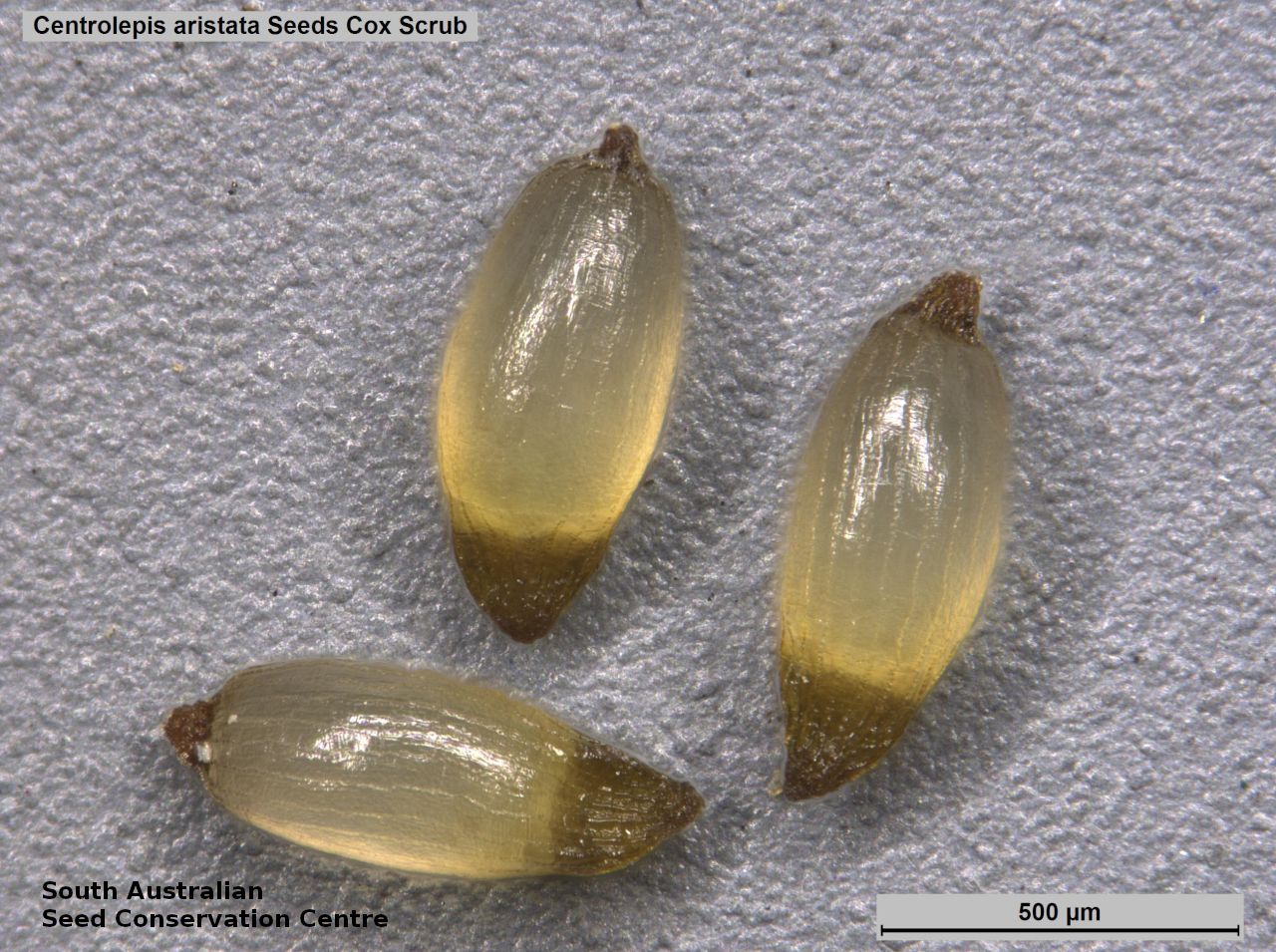
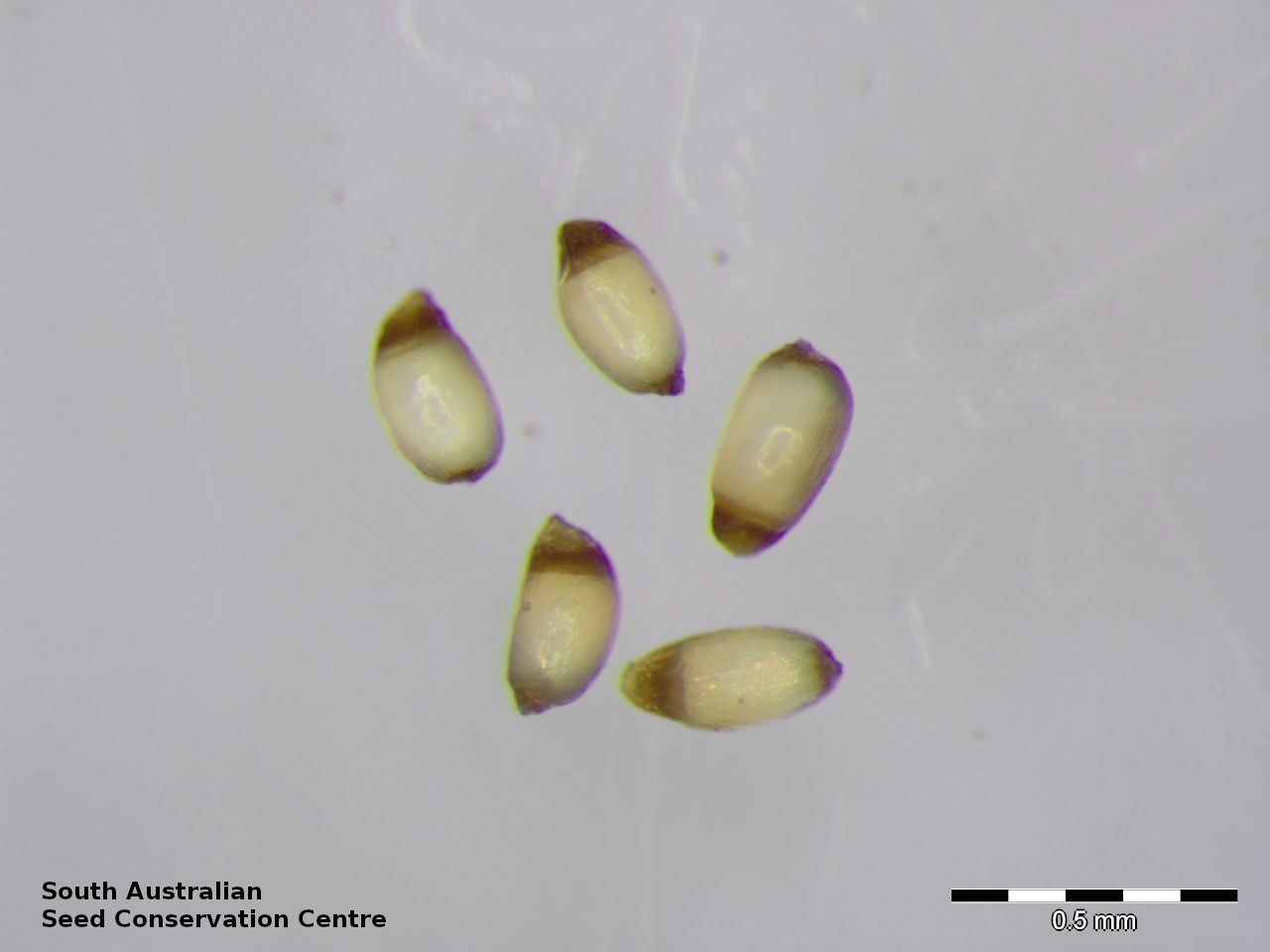
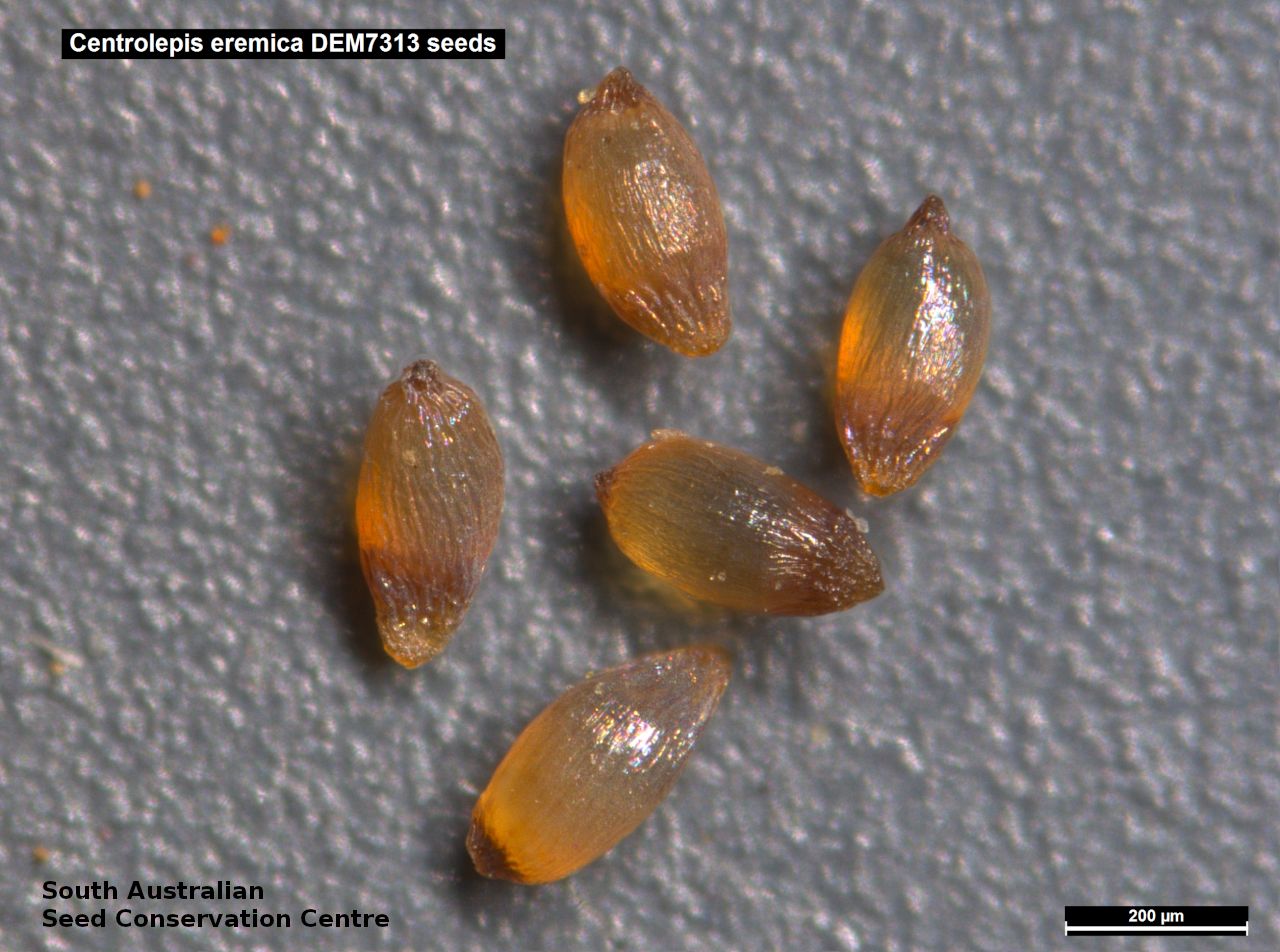
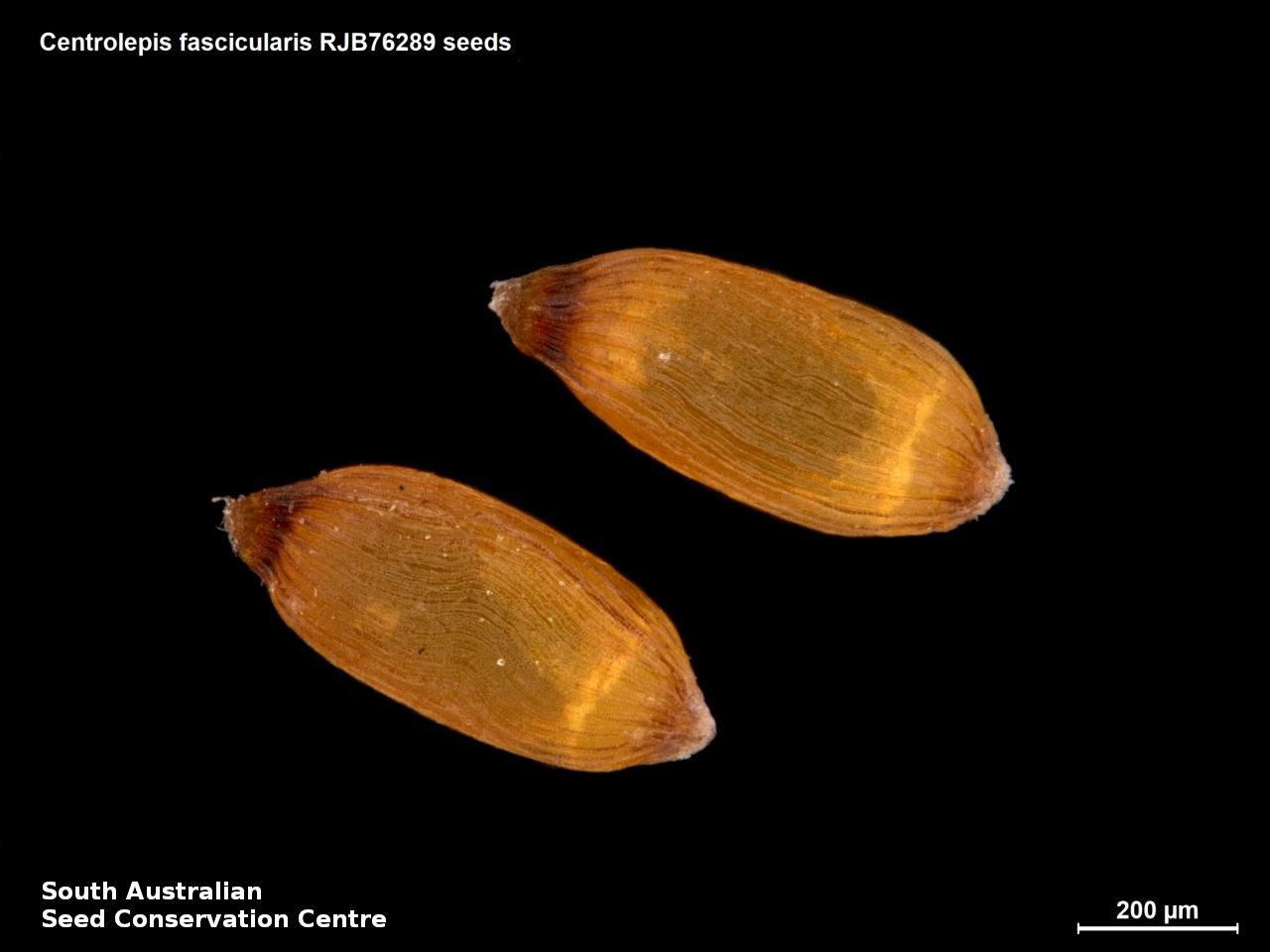
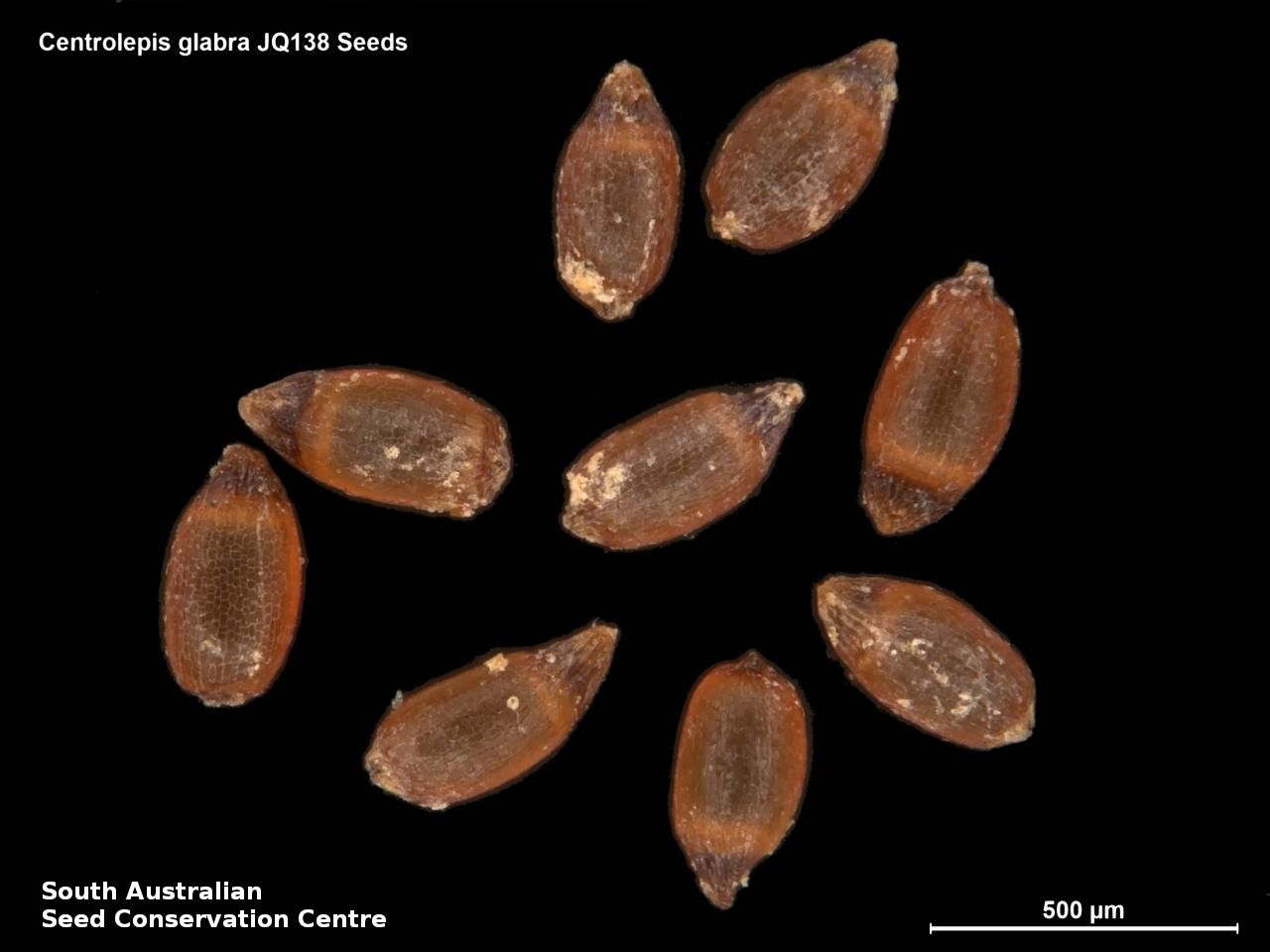
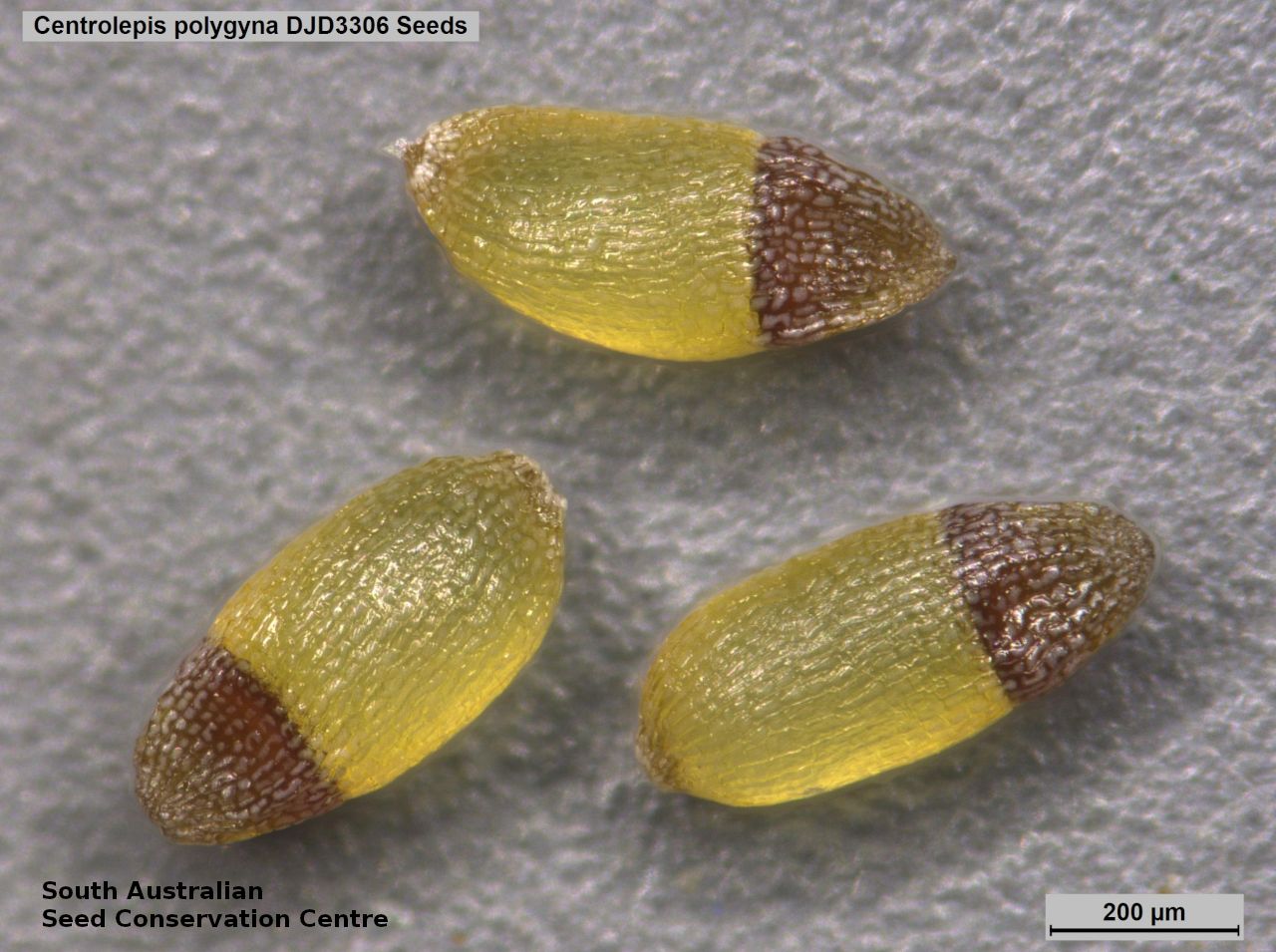
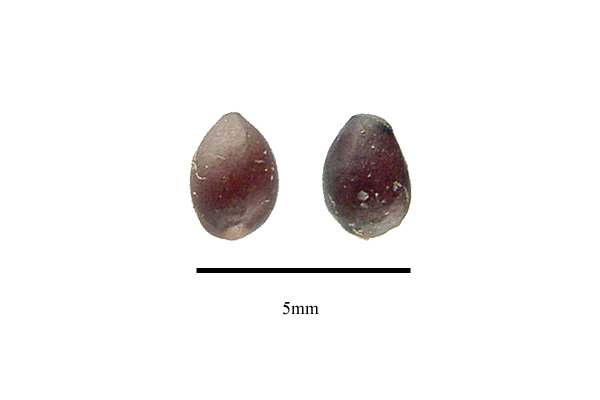
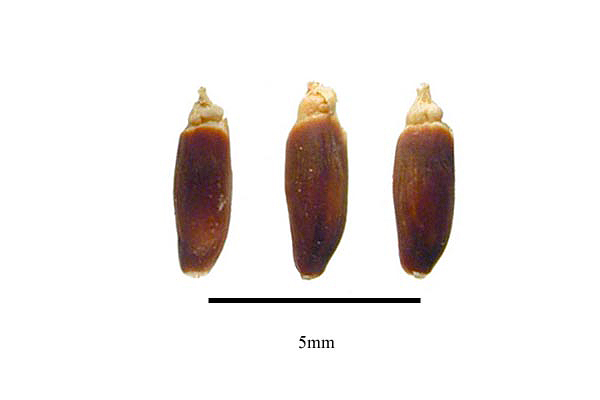
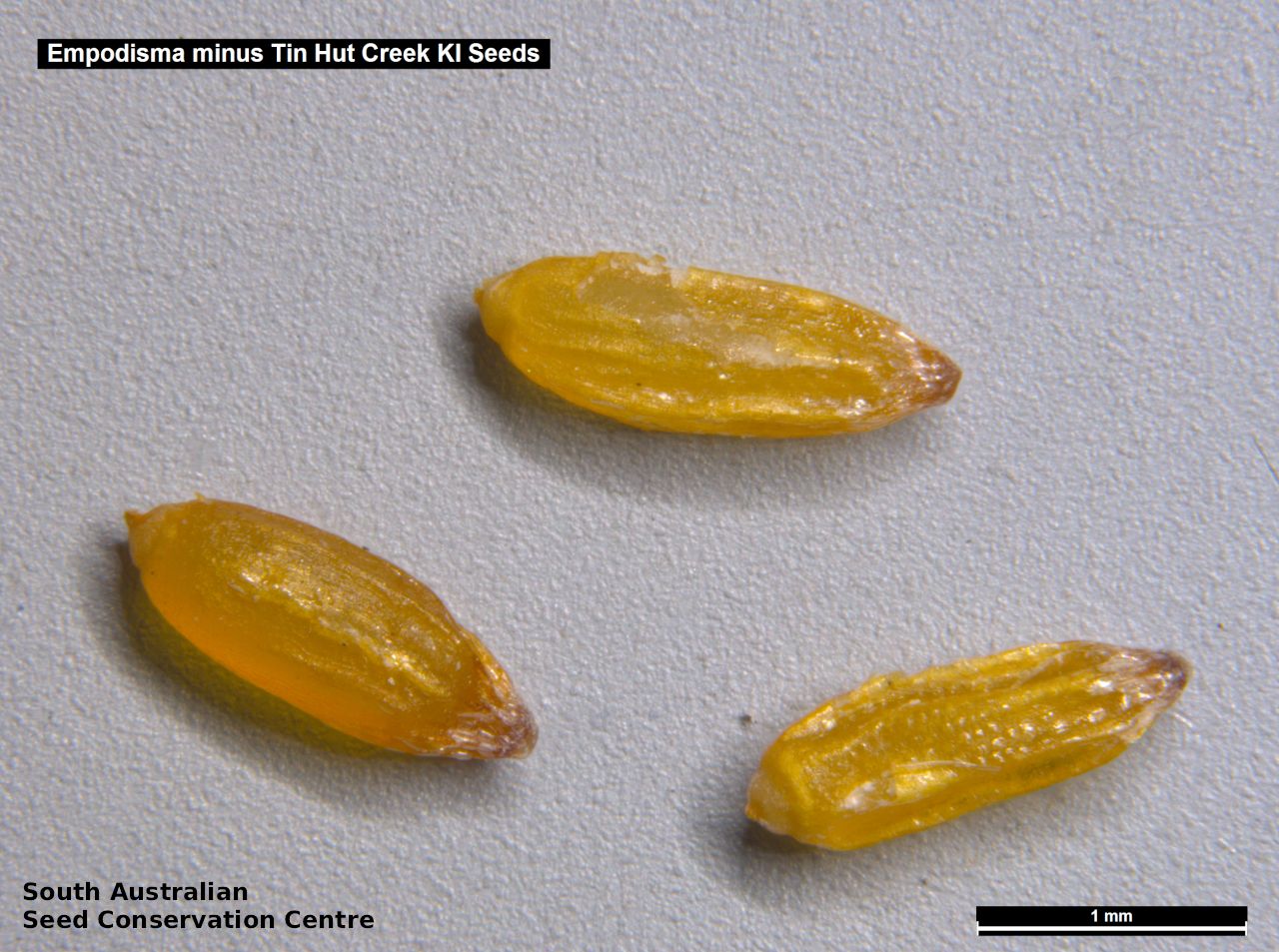
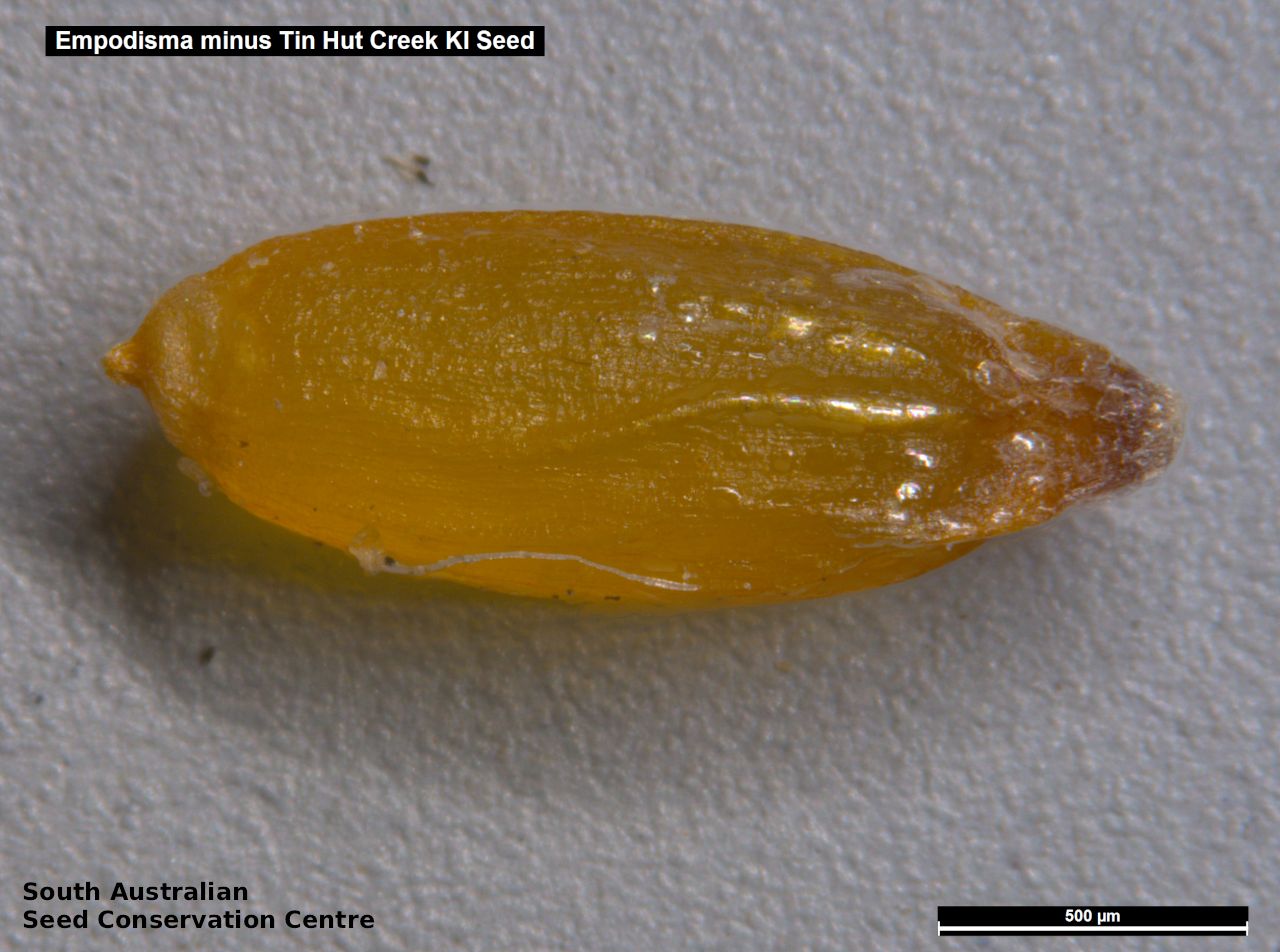
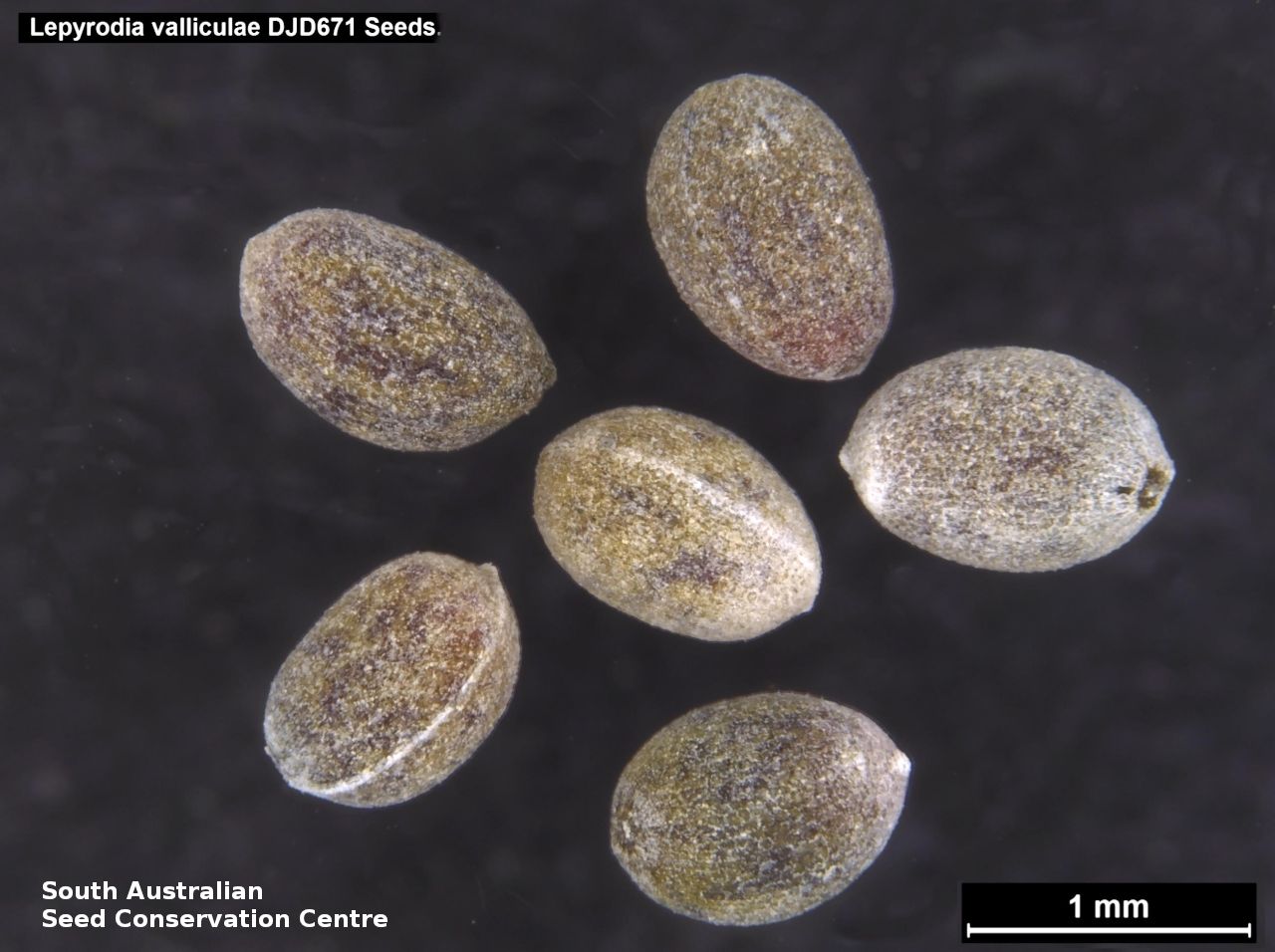
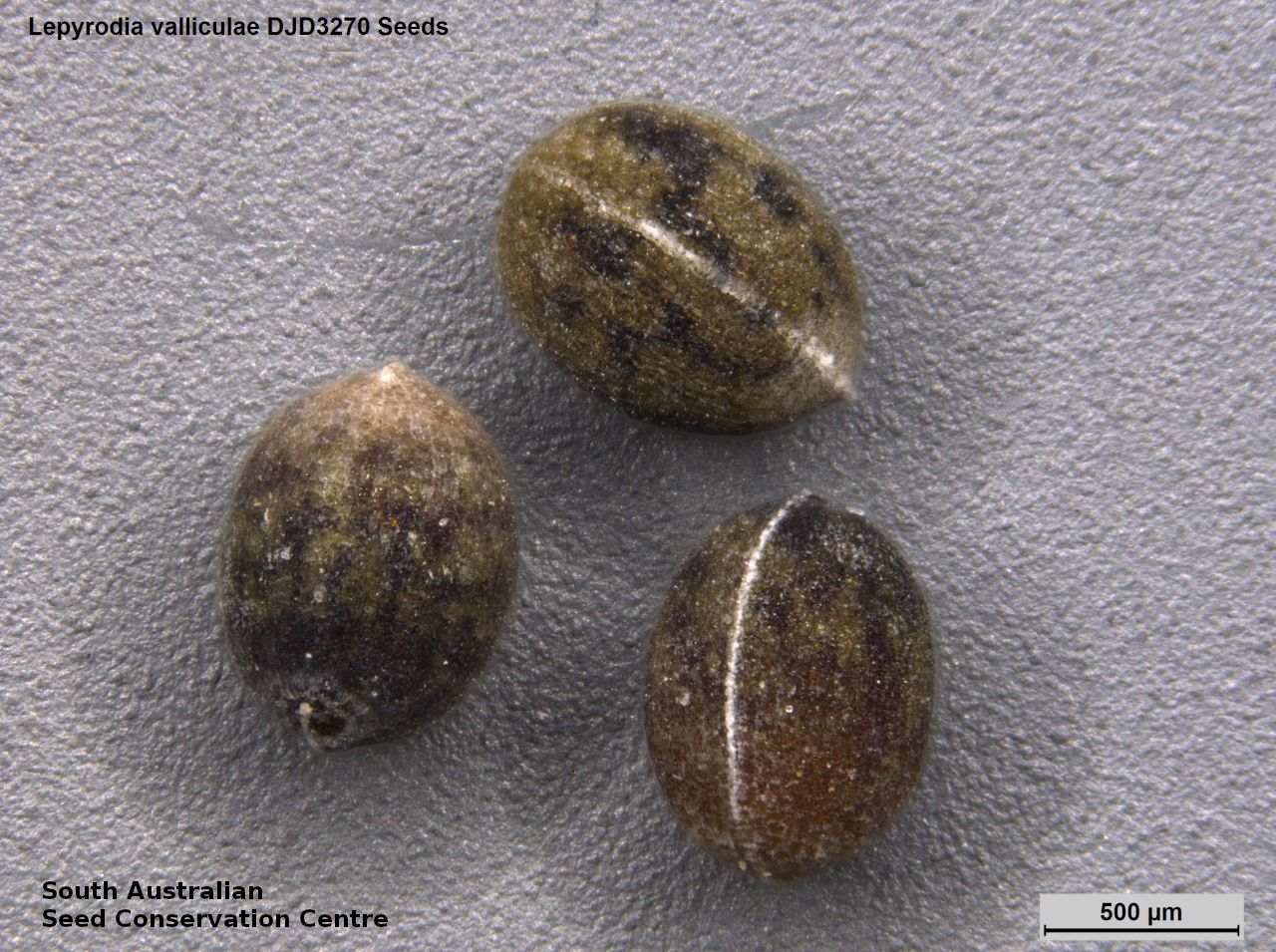
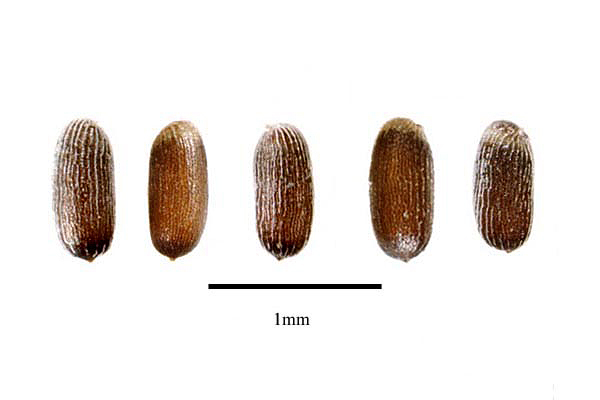
Seeds globoseglobose:
3D shape—more or less spherical to fusiformfusiform:
spindle-shaped; broadest at the middle and tapering at both ends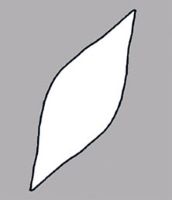 , 0.7–3 mm long [7–10 mm long, Alexgeorgea], sometimes with conspicuous raphaeraphe:
a ridge or seam on the seed coat, formed by the portion of the funiculus united to the ovule wall in longitudinally curved ovules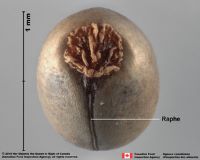 . Seed coat brown, gray, or white, shinyshiny:
uniformly reflecting a high proportion of incident light at all angles, hard or membranousmembranous:
texture—extremely thin, pliable, and fairly tough
, thin, smooth or variously ornamented.
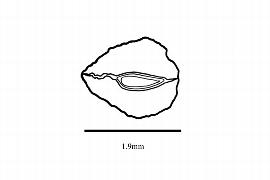
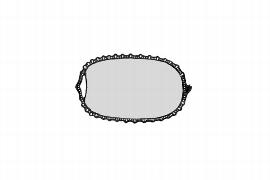
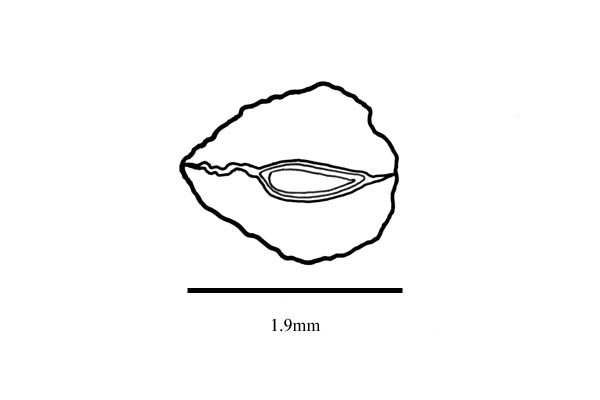
Embryo rudimentaryrudimentary:
(of embryo) embryo is small and fills less than a quarter of the seed and can be variable in shapes, such as linear, spatulate, or oval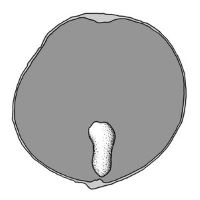 , angularangular:
2D shape—having sides that meet at acute or obtuse angles
, spatulatespatulate:
2D shape—like a spatula; rounded at the apex, with base long and tapered; (of embryo) embryo is straight and axile and centric with the cotyledons expanded to form the shape of a spatula or spoon; (of cotyledons) cotyledons expanded and wider than the stalk but not invested into the stalk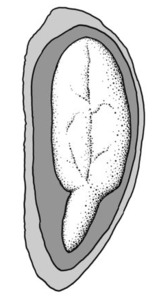 , or broad, straight, caping one end of endosperm or lying along one side, partially filling seed coat.
Endosperm copious, mealymealy:
loose, dry, and disintegrating in finely granular
pieces like meal or flour
.
| Fruit | |
| Type | capsulecapsule: a dry, dehiscent fruit derived from a compound ovary , folliclefollicle:a dry to (rarely) fleshy fruit derived from a single carpel that opens along a single longitudinal suture, derived from a single, superior, simple ovary; the seeds may be arillate or with a fleshy testa , nutnut:a fairly large, indehiscent, dry fruit with a thick and bony wall surrounding a single seed, derived from a single, simple or compound ovary |
| Size range | 0.7–15 mm |
| Shape(s) | globoseglobose: 3D shape—more or less spherical , oblongoblong:2D shape—much longer than broad with nearly parallel sides, corners are rounded 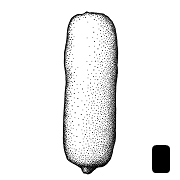 , ovoidovoid: , ovoidovoid:3D shape—ovate 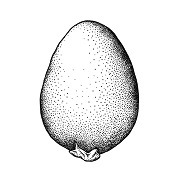 , ellipsoidellipsoid: , ellipsoidellipsoid:3D shape—elliptic , trigonoustrigonous: 3D shape—having three faces that meet at distinct angles; triangular in outline , teardrop-shapedteardrop-shaped: 2D shape—widest point is toward one end of the fruit, the other end tapers sharply to a pointed end , cuneiformcuneiform:wedge-shaped , cylindricalcylindrical: 3D shape—a cylinder, with parallel sides and a circular cross-section; tubular or rod-shaped |
| Texture | membranousmembranous: texture—extremely thin, pliable, and fairly tough , woodywoody: texture—consisting mainly of indurate lignified tissues, characteristic of or resembling wood , indurateindurate: texture—hardened or stony; yielding under strong pressure; not deformable without internal structural disruption , leatheryleathery: texture—moderately thick, tough, and very pliable |
| Surface relief | smooth, ridgedridged: surface relief—raised, thick ridges, sharp edged or rounded, usually in a series that may cover the entire surface 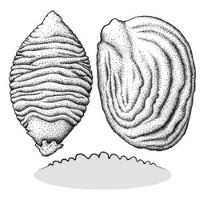 , striatestriate: , striatestriate:surface relief—having fine, parallel lines, grooves or ridges 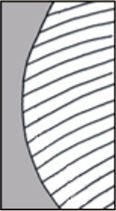 , wrinkledwrinkled: , wrinkledwrinkled:surface relief—shallow, irregular folds and furrows covering the surface; appearing overall though crumpled and then spread out 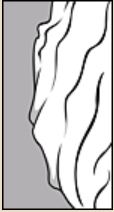 , papillatepapillate: , papillatepapillate:surface relief—bearing minute, distinct, broad-based projections, tapering to a rounded apex 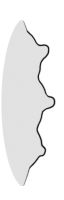 , colliculatecolliculate: , colliculatecolliculate:surface relief—covered with small, round projections, similar to blistered 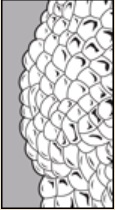 , punctatepunctate: , punctatepunctate:surface relief—dotted with pits or with translucent, sunken glands or with colored dots, similar to pitted 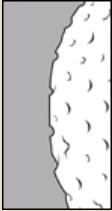 |
| Color(s) | black, brown, gray, green, purple, yellow |
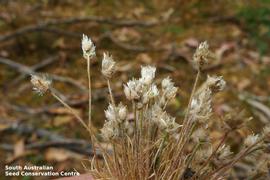
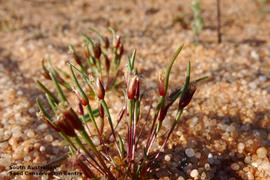
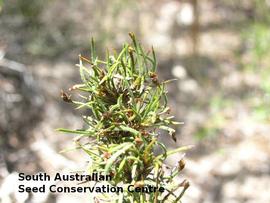
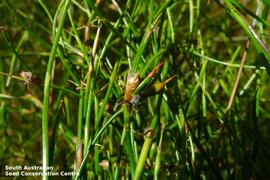
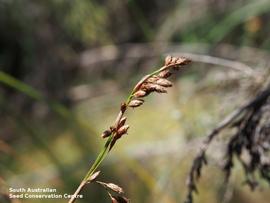
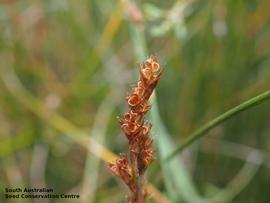
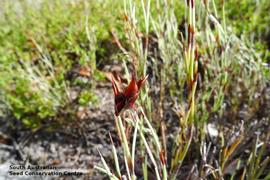
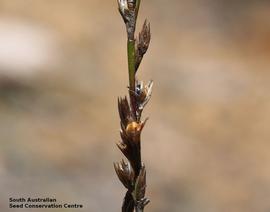
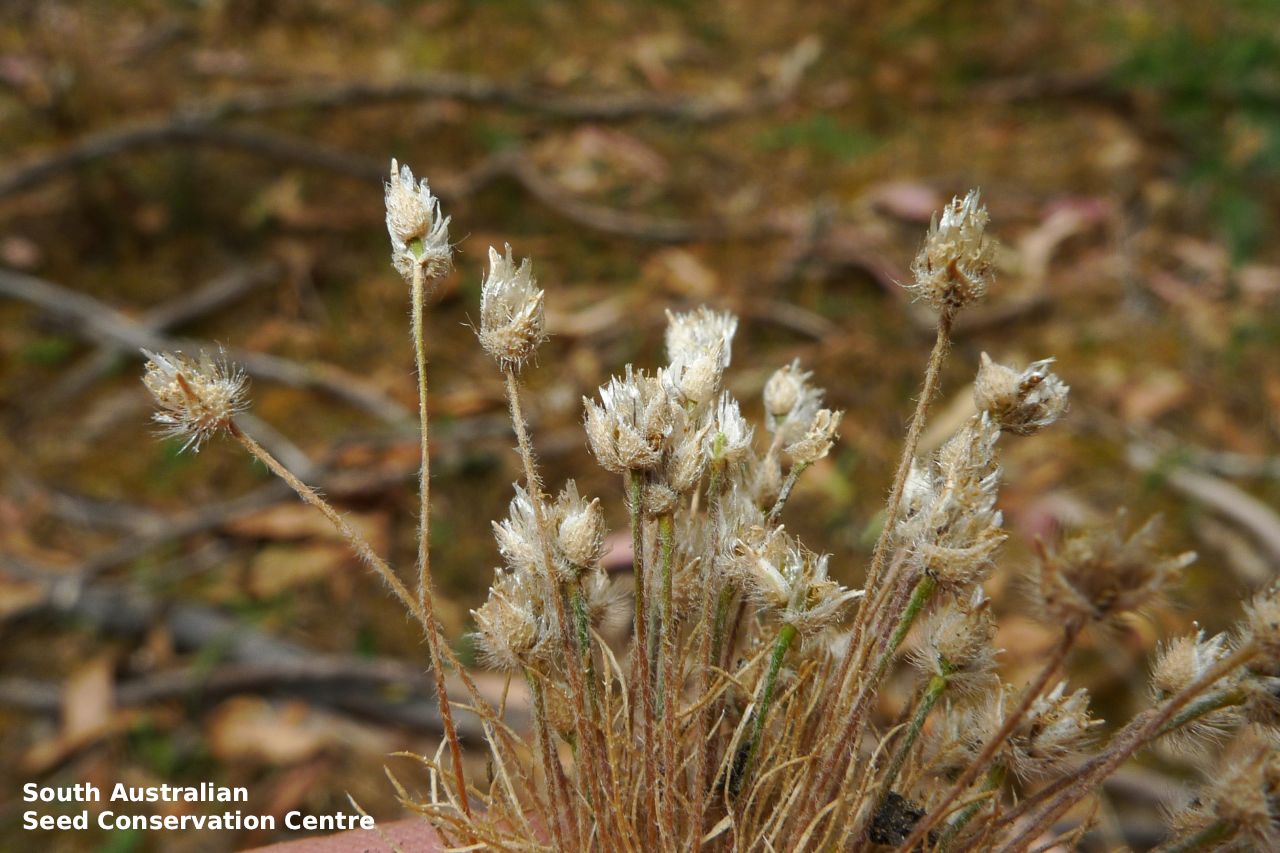
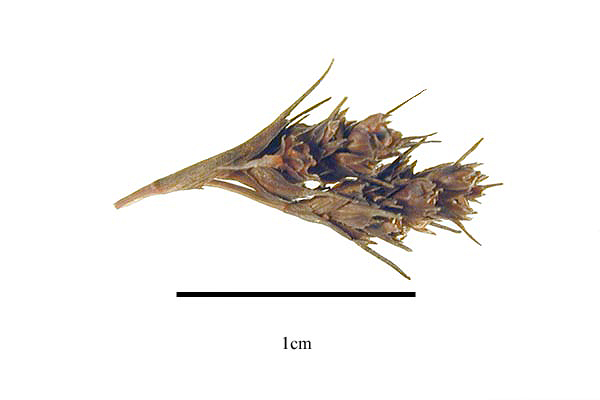
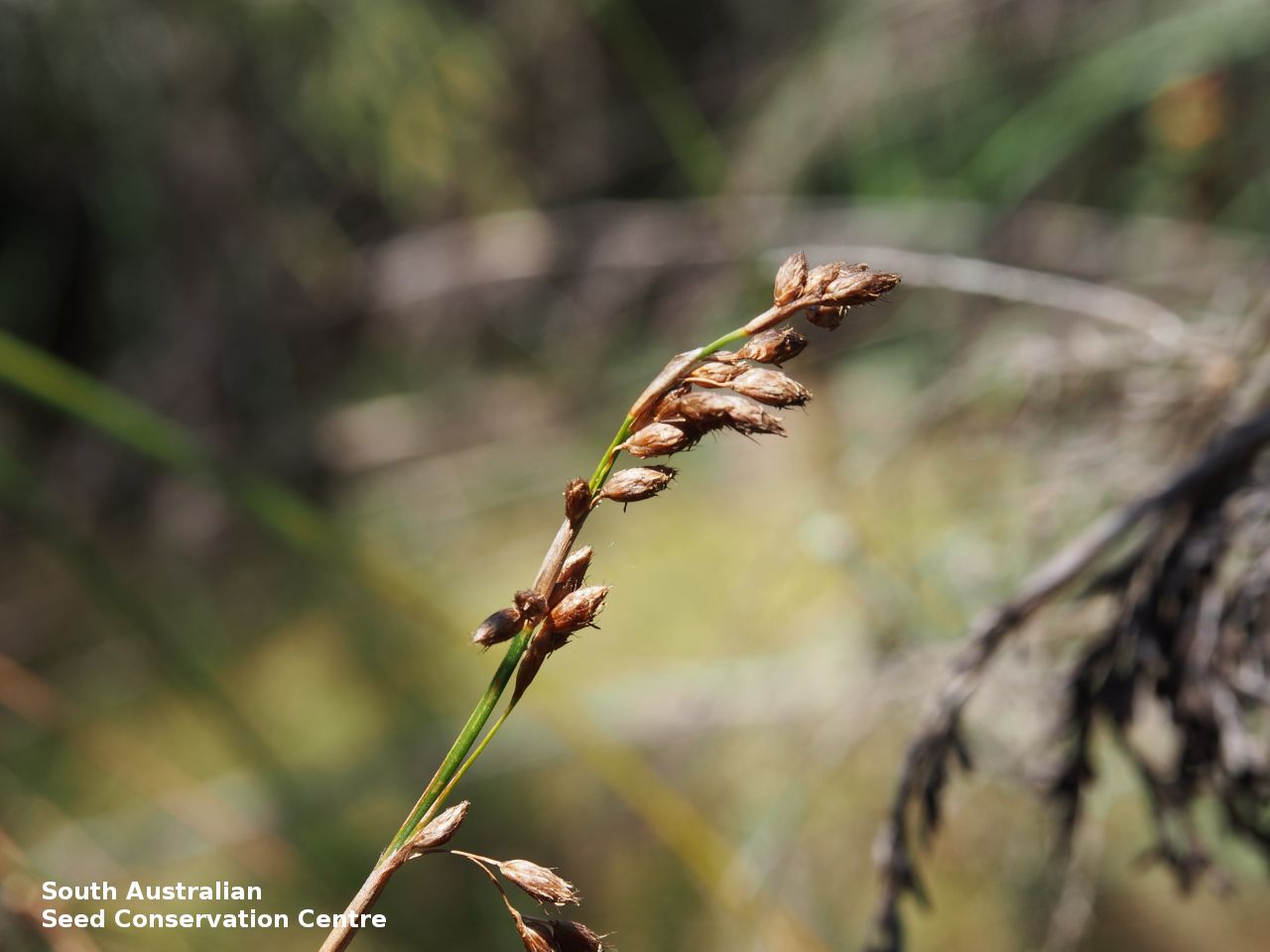
| Unique features | Small capsulescapsule: a dry, dehiscent fruit derived from a compound ovary , folliclesfollicle:a dry to (rarely) fleshy fruit derived from a single carpel that opens along a single longitudinal suture, derived from a single, superior, simple ovary; the seeds may be arillate or with a fleshy testa , or nutsnut:a fairly large, indehiscent, dry fruit with a thick and bony wall surrounding a single seed, derived from a single, simple or compound ovary often shed with persistent, membranousmembranous:texture—extremely thin, pliable, and fairly tough or cartilaginouscartilaginous: texture—firm, dense, tough, somewhat pliable, and resilient, like cartilage perianths, sometimes winglike. Often shed with fleshy pedicelpedicel: the stalk of a flower . InfructescencesInfructescence: mature (fruiting) inflorescence may appear like grass spikeletsspikelet: basic unit of the grass inflorescence, commonly consisting of a pair of glumes and one to many florets . |
| Seed | |
| Size range | 0.7–3 [7–10, Alexgeorgea] mm long |
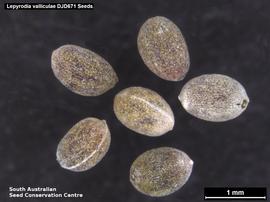
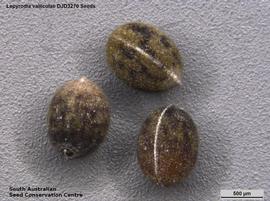
| Shape(s) | fusiformfusiform: spindle-shaped; broadest at the middle and tapering at both ends , ovoidovoid:3D shape—ovate , oblongoblong:2D shape—much longer than broad with nearly parallel sides, corners are rounded , ellipsoidellipsoid:3D shape—elliptic , globoseglobose: 3D shape—more or less spherical , cylindricalcylindrical:3D shape—a cylinder, with parallel sides and a circular cross-section; tubular or rod-shaped |
| Surface relief | striatestriate: surface relief—having fine, parallel lines, grooves or ridges , wartywarty:surface relief—distinct, rounded projections that are large relative to the fruit size; tuberculate, verrucose 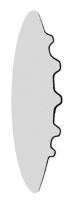 , spinyspiny: , spinyspiny:having slender, stiff, sharp projections oriented in the general plane of the structure 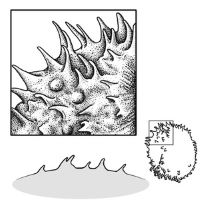 , with hookswith hooks: , with hookswith hooks:bristles or spines with curved or backwards pointing tips, or with secondary bristles along their length 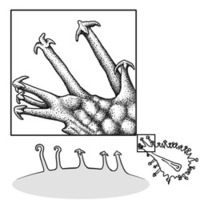 , groovedgrooved: , groovedgrooved:surface relief—linear depressions that may be single or form a series of grooves over the surface 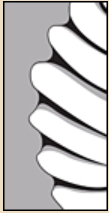 , ridgedridged: , ridgedridged:surface relief—raised, thick ridges, sharp edged or rounded, usually in a series that may cover the entire surface , ribbedribbed:surface relief—wide, prominent, linear ridges that are generally rounded and longitudinally situated on the surface 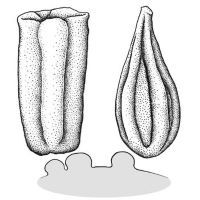 , colliculatecolliculate: , colliculatecolliculate:surface relief—covered with small, round projections, similar to blistered |
| Color(s) | brown, gray, white |
| Unique features | Seeds variously ornamented, sometimes translucenttranslucent: transmitting light uniformly and diffusely 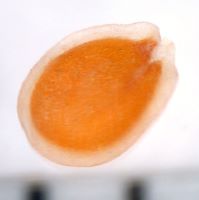 , often fusiformfusiform: , often fusiformfusiform:spindle-shaped; broadest at the middle and tapering at both ends . |
| Other | |
| Embryo | rudimentaryrudimentary: (of embryo) embryo is small and fills less than a quarter of the seed and can be variable in shapes, such as linear, spatulate, or oval , angularangular:2D shape—having sides that meet at acute or obtuse angles , spatulatespatulate: 2D shape—like a spatula; rounded at the apex, with base long and tapered; (of embryo) embryo is straight and axile and centric with the cotyledons expanded to form the shape of a spatula or spoon; (of cotyledons) cotyledons expanded and wider than the stalk but not invested into the stalk , or broad, straight, caping one end of endosperm or lying along one side, partially filling seed coat |
| Nutritive tissue | endosperm copious, mealymealy: loose, dry, and disintegrating in finely granular pieces like meal or flour |
Temperate Southern Hemisphere, especially Australia and southern Africa.
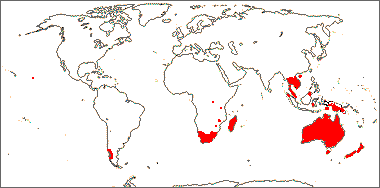
Distribution map courtesy of Angiosperm Phylogeny Website.
Baskin and Baskin 2021Baskin and Baskin 2021:
Baskin C and Baskin J. 2021. Relationship of the lateral embryo (in grasses) to other monocot embryos: A status up-grade. Seed Science Research 31 (3): 199-210. doi:10.1017/S0960258521000209; Dahlgren et al. 1985Dahlgren et al. 1985:
Dahlgren RMT, Clifford HT, and Yeo PF. 1985. The families of the monocotyledons: structure, evolution, and taxonomy. Springer-Verlag, Berlin. 520 pp.; Flora of Australia 2021+Flora of Australia 2021+:
Flora of Australia. Australian Biological Resources Study, Canberra. Accessed January 2021–March 2024. URL: http://www.ausflora.org.au; Kirkbride et al. 2006Kirkbride et al. 2006:
Kirkbride JH, Jr, Gunn CR, and Dallwitz MJ. 2006. Family guide for fruits and seeds, vers. 1.0. Accessed September 2020-January 2022. URL: https://nt.ars-grin.gov/seedsfruits/keys/frsdfam/index.cfm .; Kubitzki et al. 1990+Kubitzki et al. 1990+:
Kubitzki K et al., eds. 1990+. The families and genera of vascular plants. 7+ vols. Berlin etc.; Stevenson and Loconte 1995Stevenson and Loconte 1995:
Stevenson DW and Loconte H. 1995. A cladistic analysis of monocot families. In: Rudall PJ, Cribb PJ, Cutler DF, and Humphries CJ, eds. Monocotyledons: Systematics and Evolution. Royal Botanic Gardens, Kew.; Thiselton-Dyer 1896–1897Thiselton-Dyer 1896–1897:
Thiselton-Dyer WT. 1896–1897. Flora capensis: being a systematic description of the plants of the Cape colony, Caffraria, & Port Natal (and neighbouring territories). Vol. 6. L. Reeve, Kent UK. 563 pp. https://doi.org/10.5962/bhl.title.821 ; Watson and Dallwitz 1992+Watson and Dallwitz 1992+:
Watson L and Dallwitz MJ. 1992+. The families of flowering plants: descriptions, illustrations, identification, and information retrieval. Version: 6th Accessed September 2020-September 2022. URL: delta-intkey.com
*The number of genera and species is based on Christenhusz and Byng 2016Christenhusz and Byng 2016:
Christenhusz MJM and Byng JW. 2016. The number of known plant species in the world and its annual increase. Phytotaxa 261 (3): 201-217. https://doi.org/10.11646/phytotaxa.261.3.1, which may differ from the number of genera in GRIN-Global.
Authors: M. Islam, A. Gottlieb, M. Maher, J. Scher, A. Redford
Content last updated August 2024
idtools.org